

Things to do
Launceston is a vibrant hub for food, wine, and culture, celebrating the region’s farmlands, orchards, vineyards, cellar doors, and artisanal producers. During your stay at Beulah House you’ll find endless ways to immerse yourself in Tasmania’s northern charm.
Below are some suggested ways to experience the local culture and romance of Northern Tasmania, whether you’re here for a weekend escape or a longer romantic getaway.
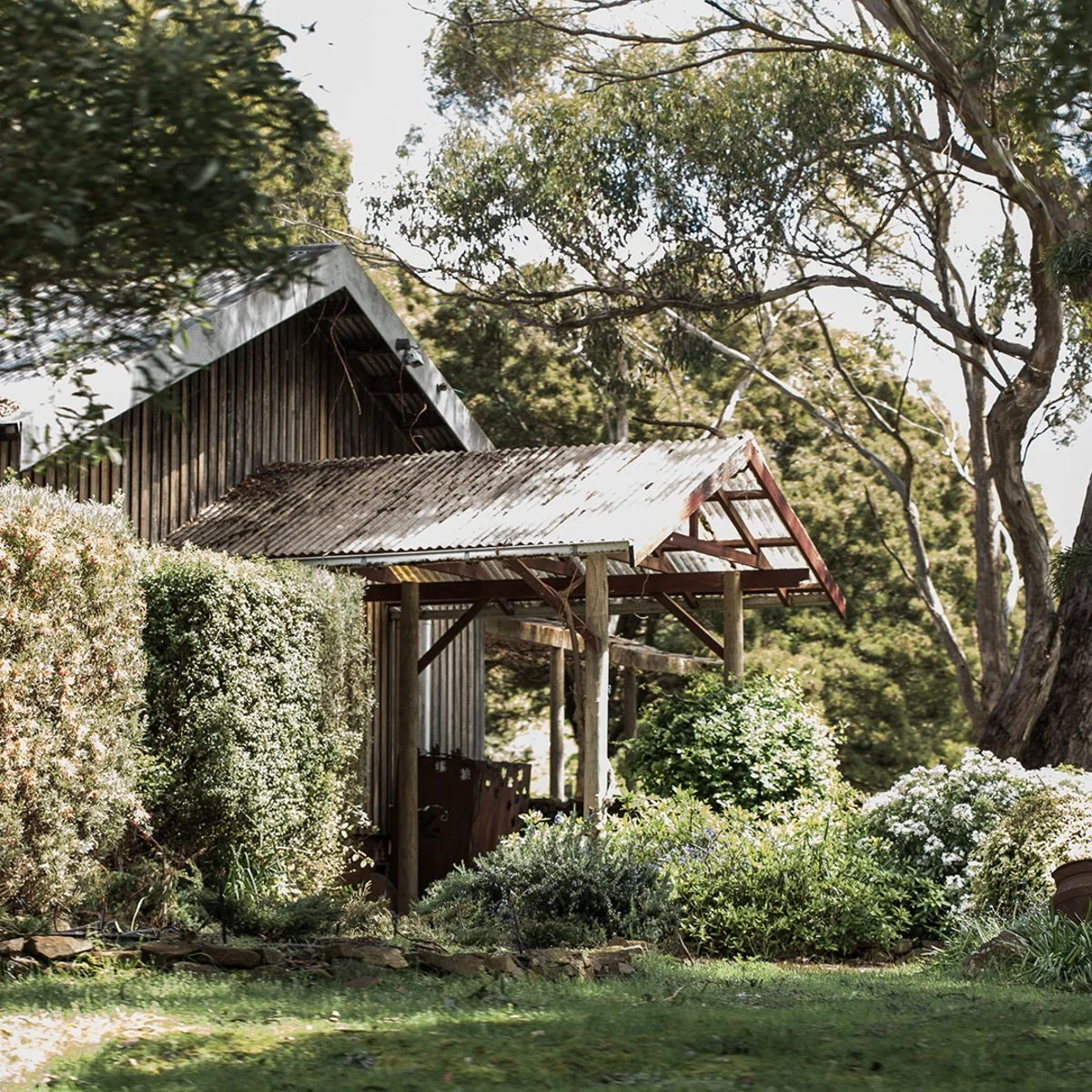
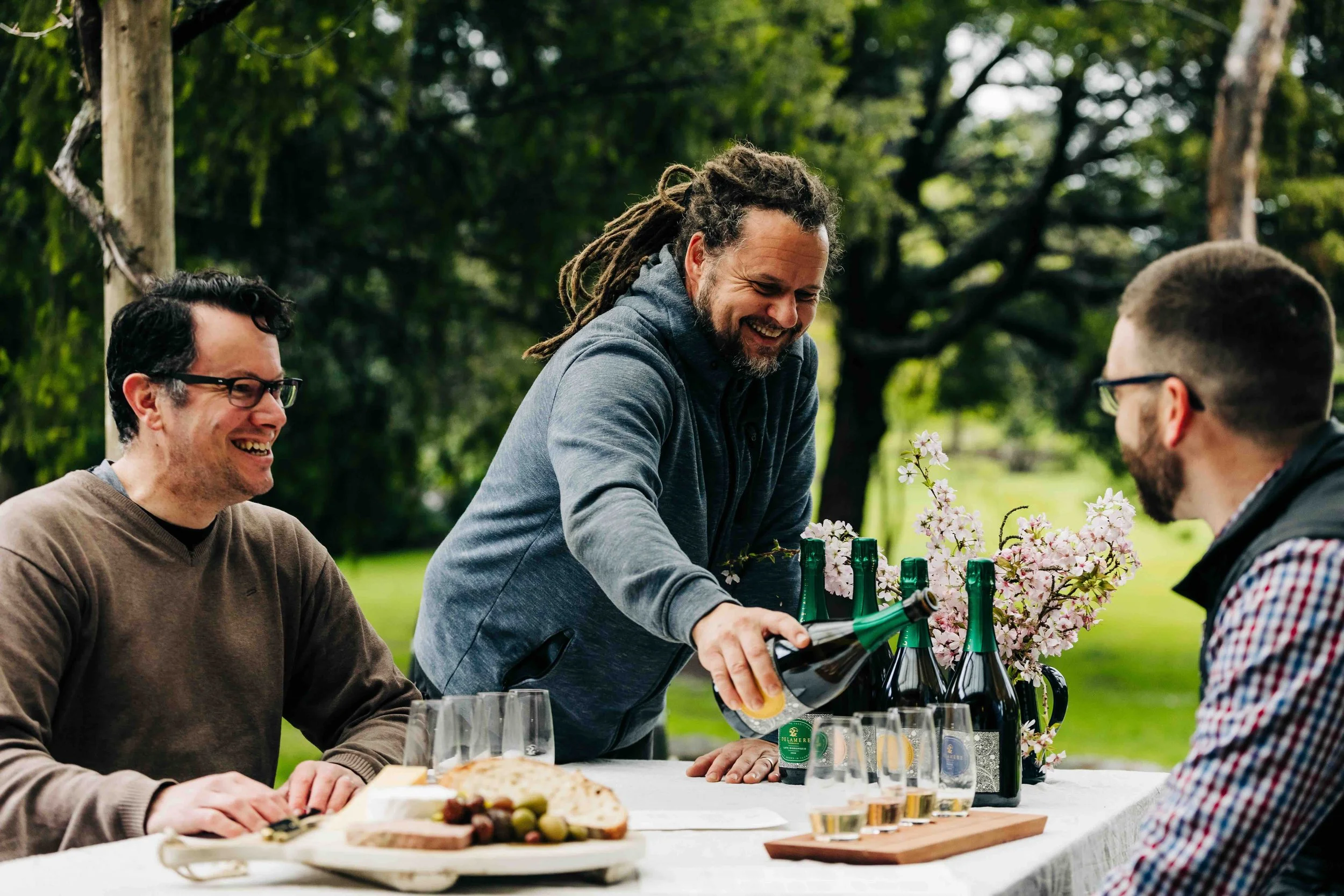

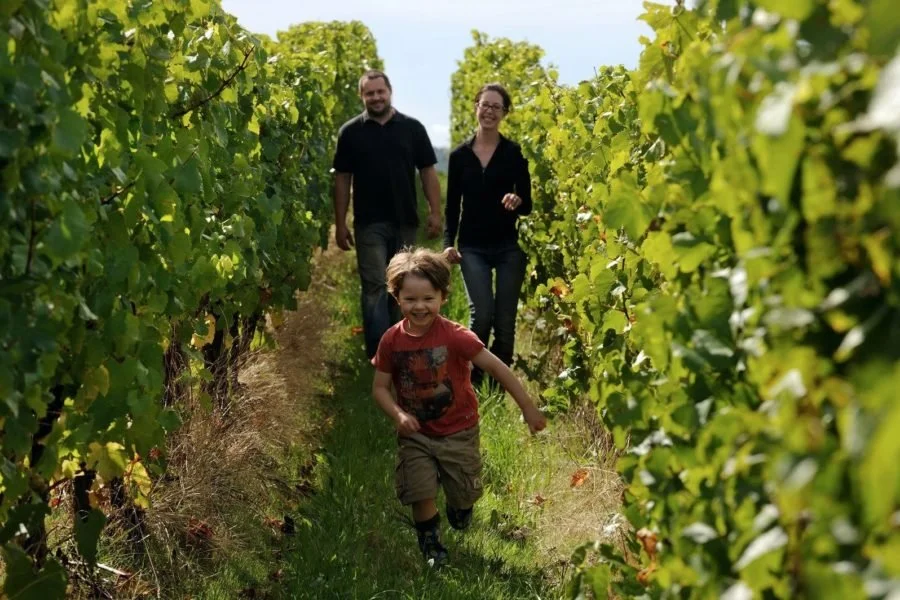
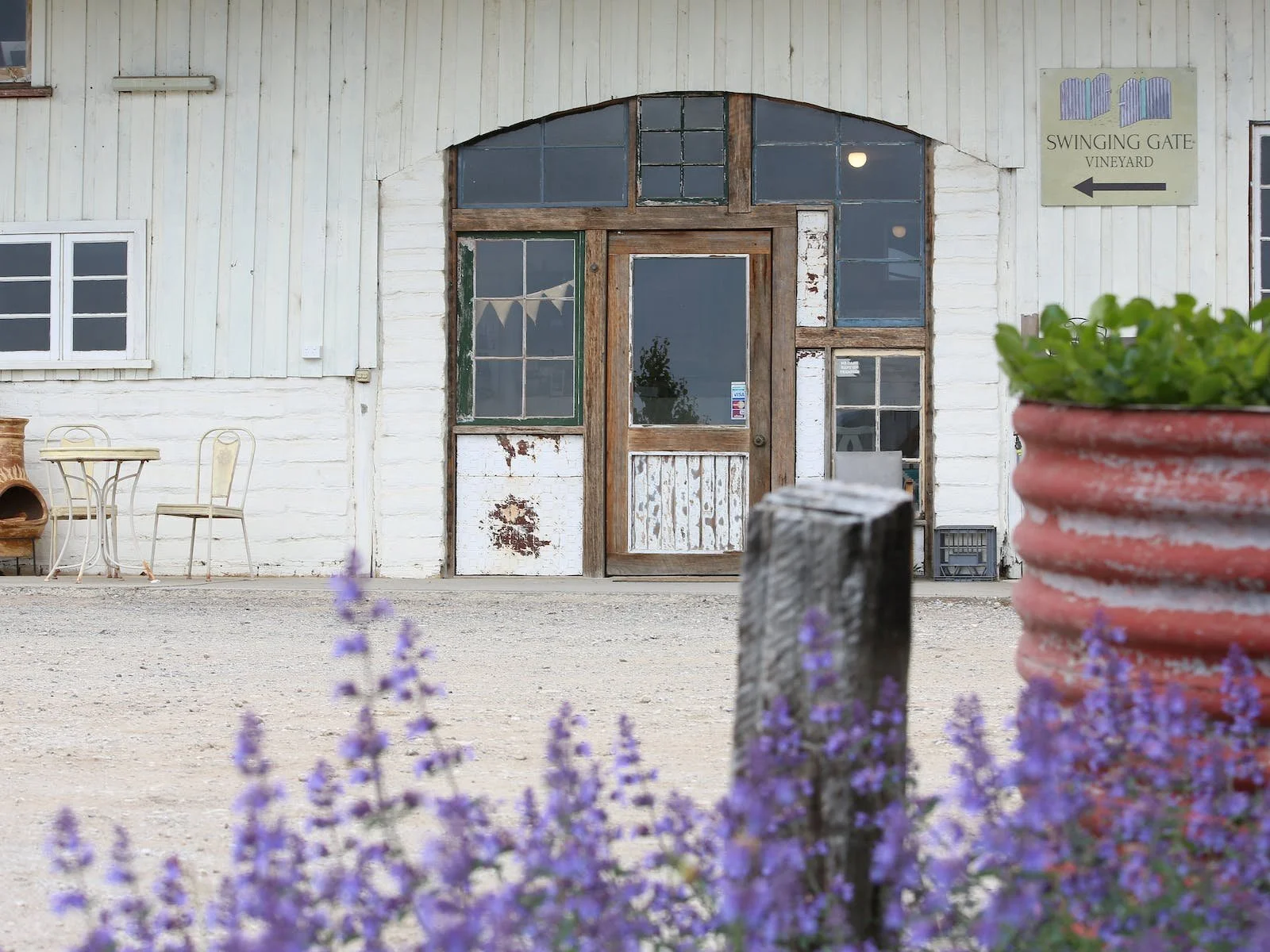




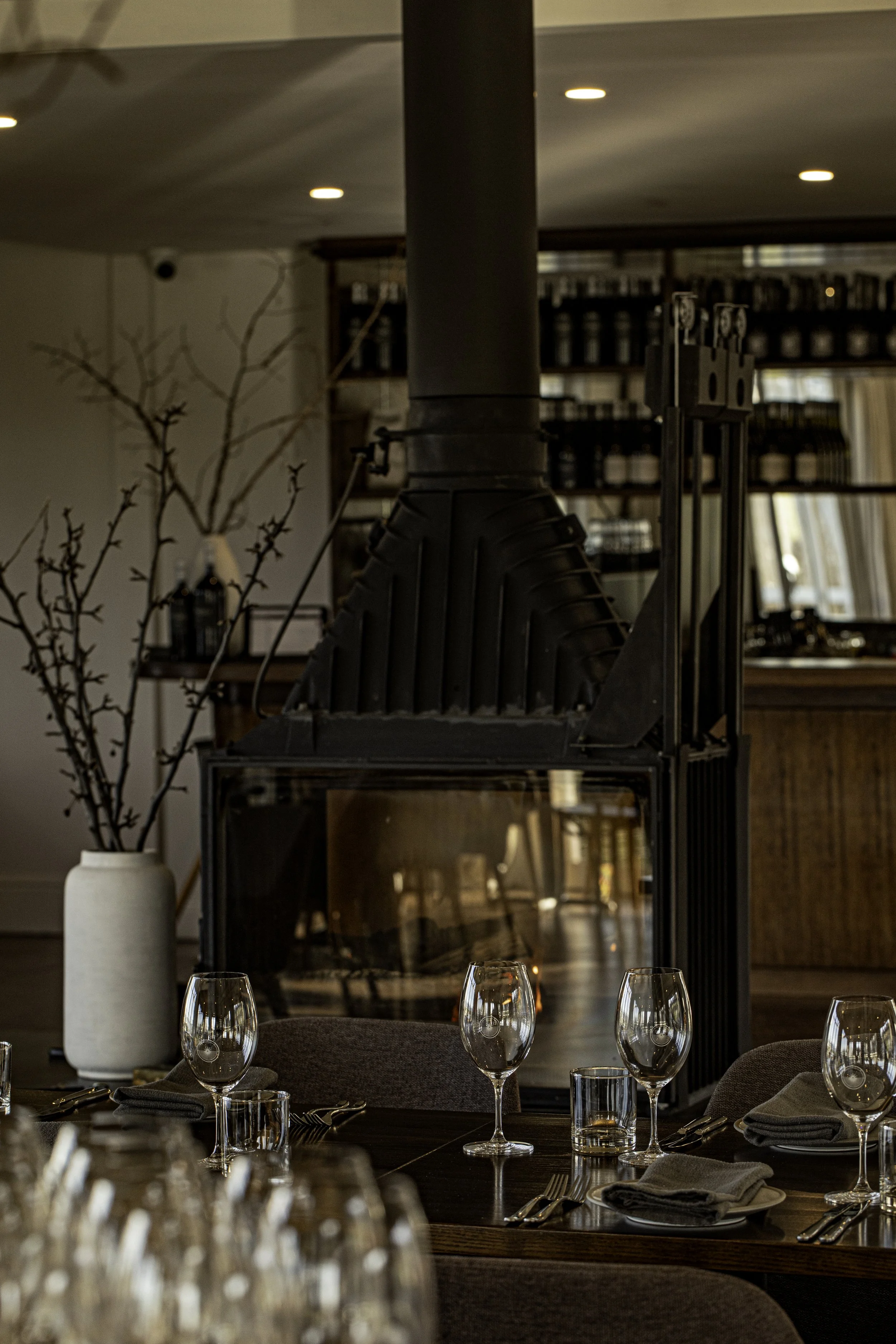


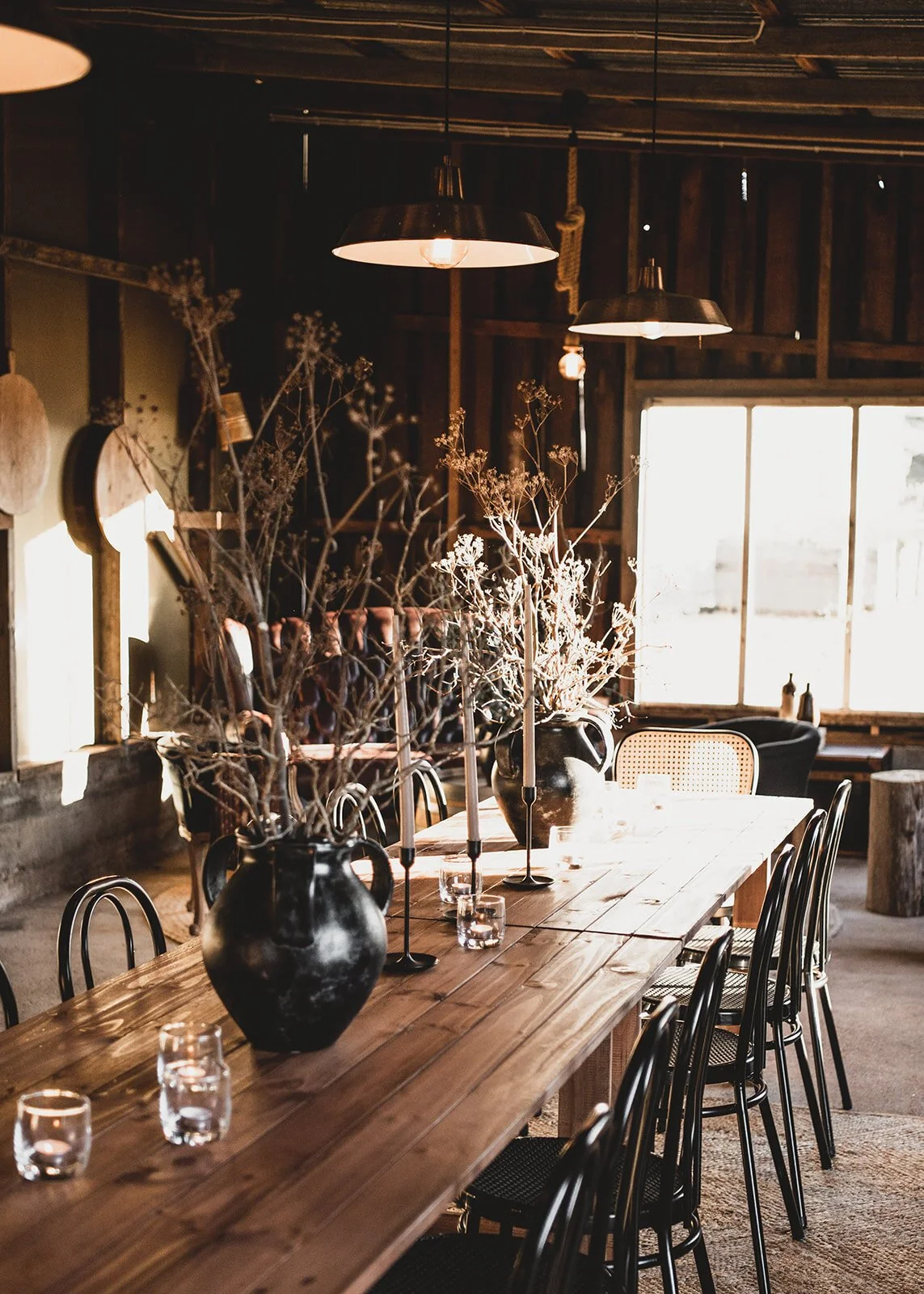

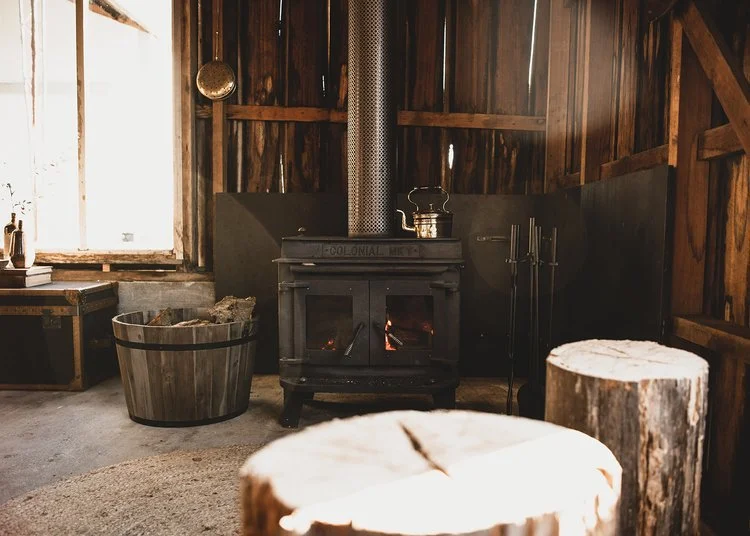
Wineries in the Tamar Valley, Northern Tasmania
The Tamar Valley is Tasmania’s oldest and largest wine-growing area and has more than 30 cellar doors cosied up around kanamaluka / River Tamar in northern Tasmania, which is the heart of the Valley. The wineries are surrounded by picturesque orchards, forests and fertile pastures.
From Launceston, the trail stretches along both sides of the river, to Beaconsfield in the west and the renowned sparkling-wine region of Pipers Brook in the east, and also taking in Relbia, south of Launceston. Take a day to drive the loop, or break it up with a separate riverbank each day for full cool-climate wine immersion.
-
West of Tamar river
East of Tamar river
or take a Tamar Valley Wine Tour with Lunch
South of Launceston
Or join a Tamar Valley Wine Tour with Lunch
-
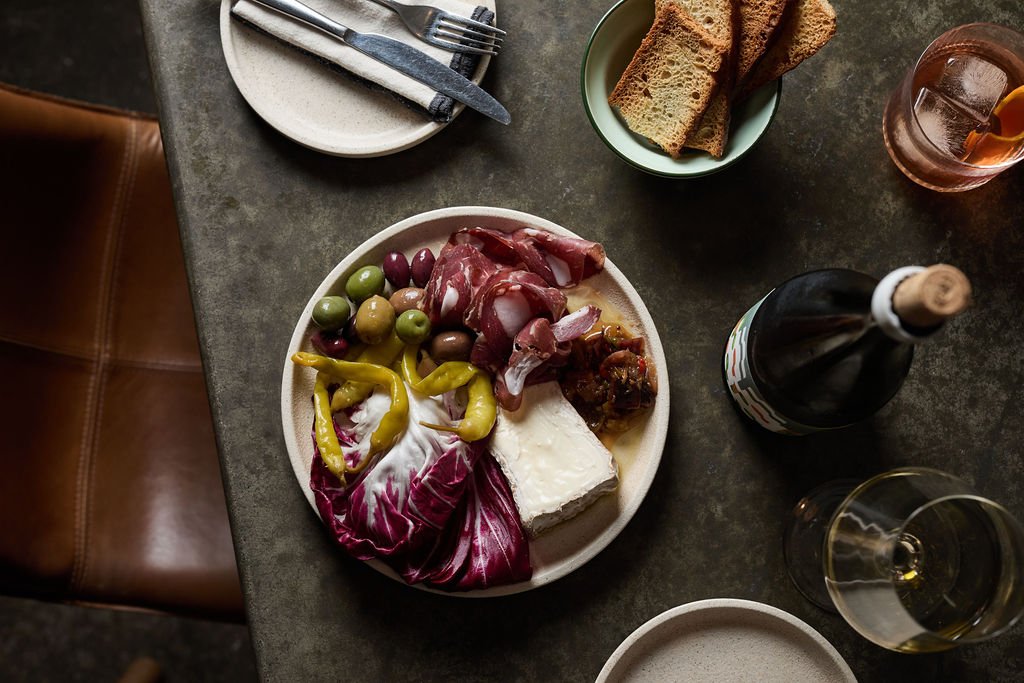
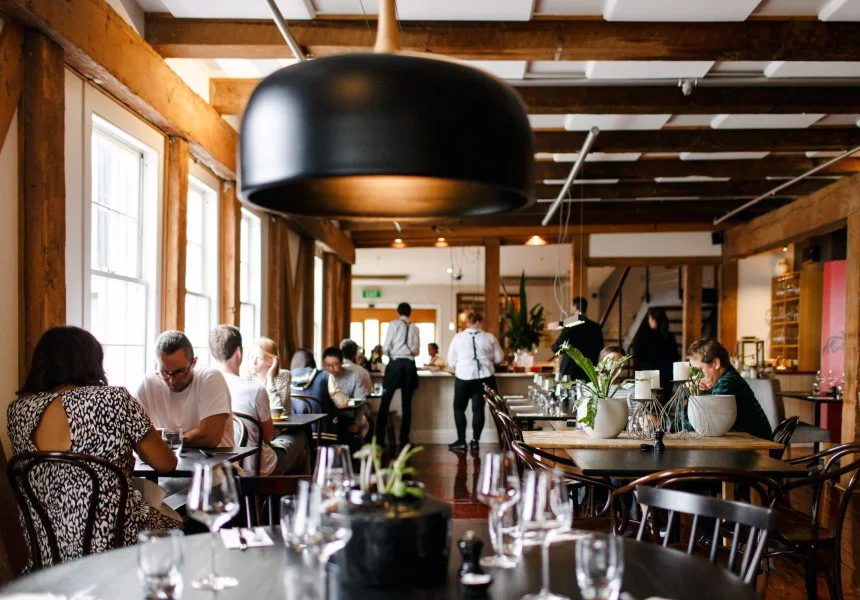
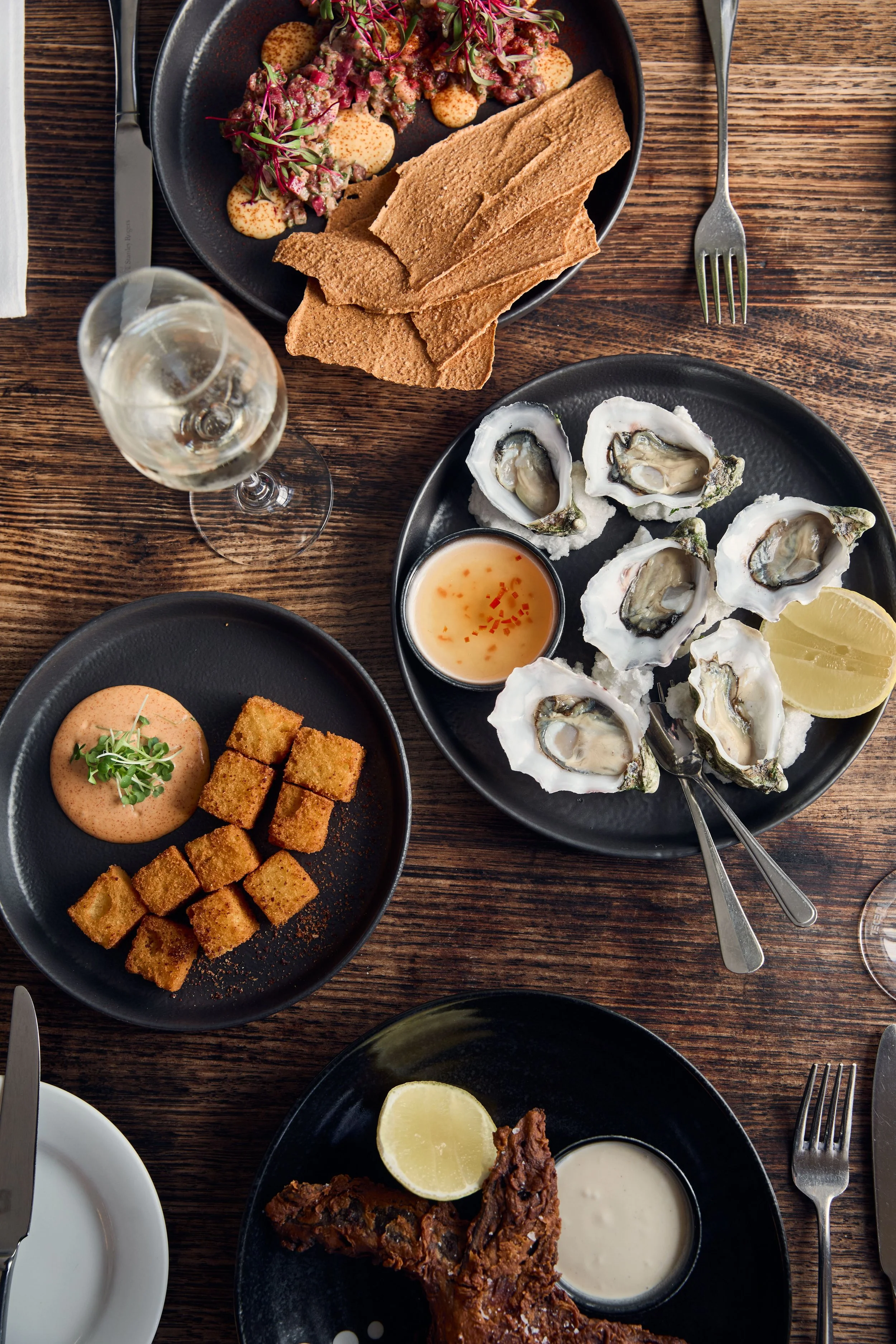
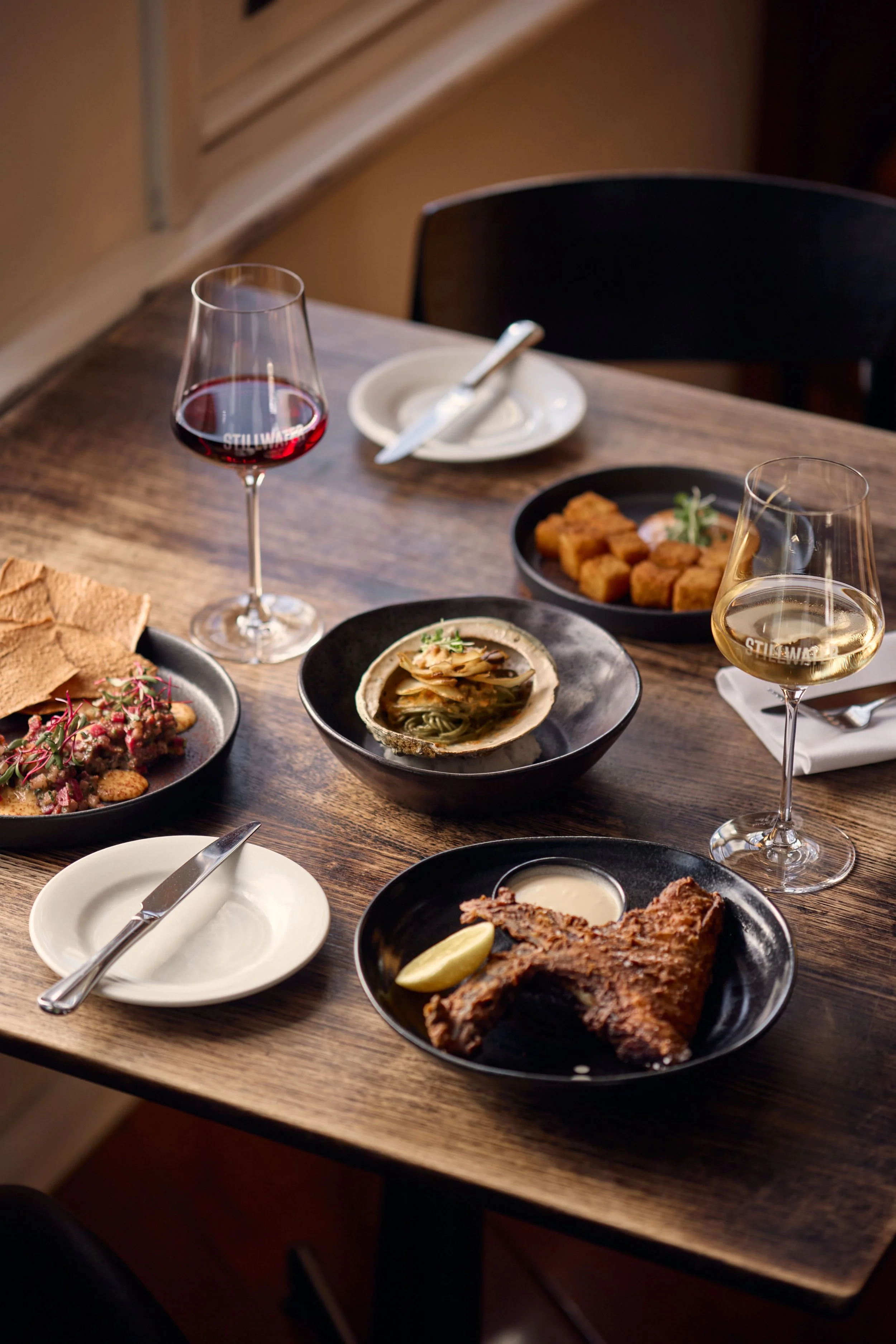
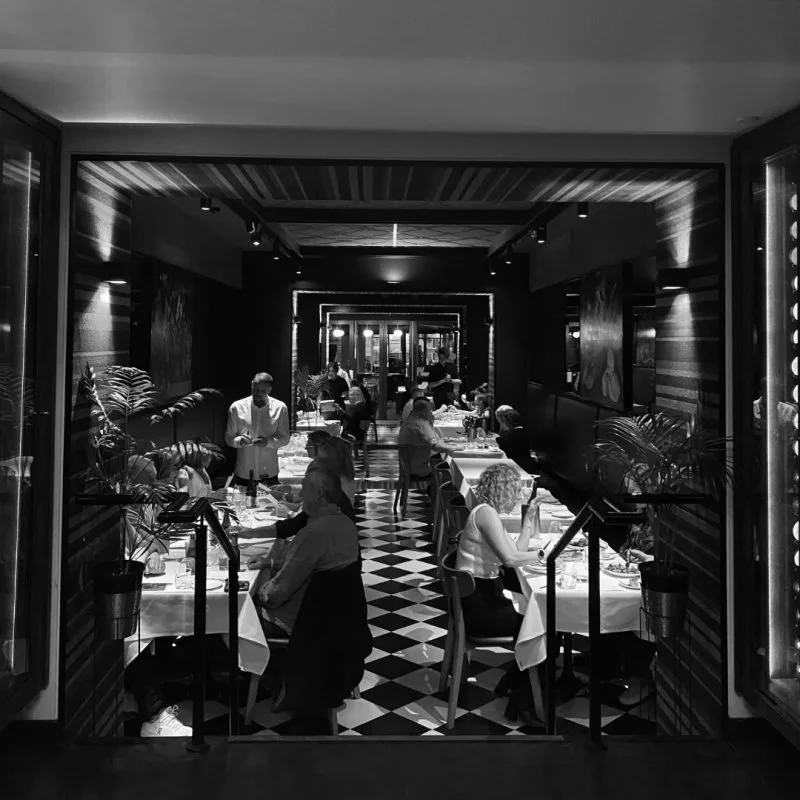
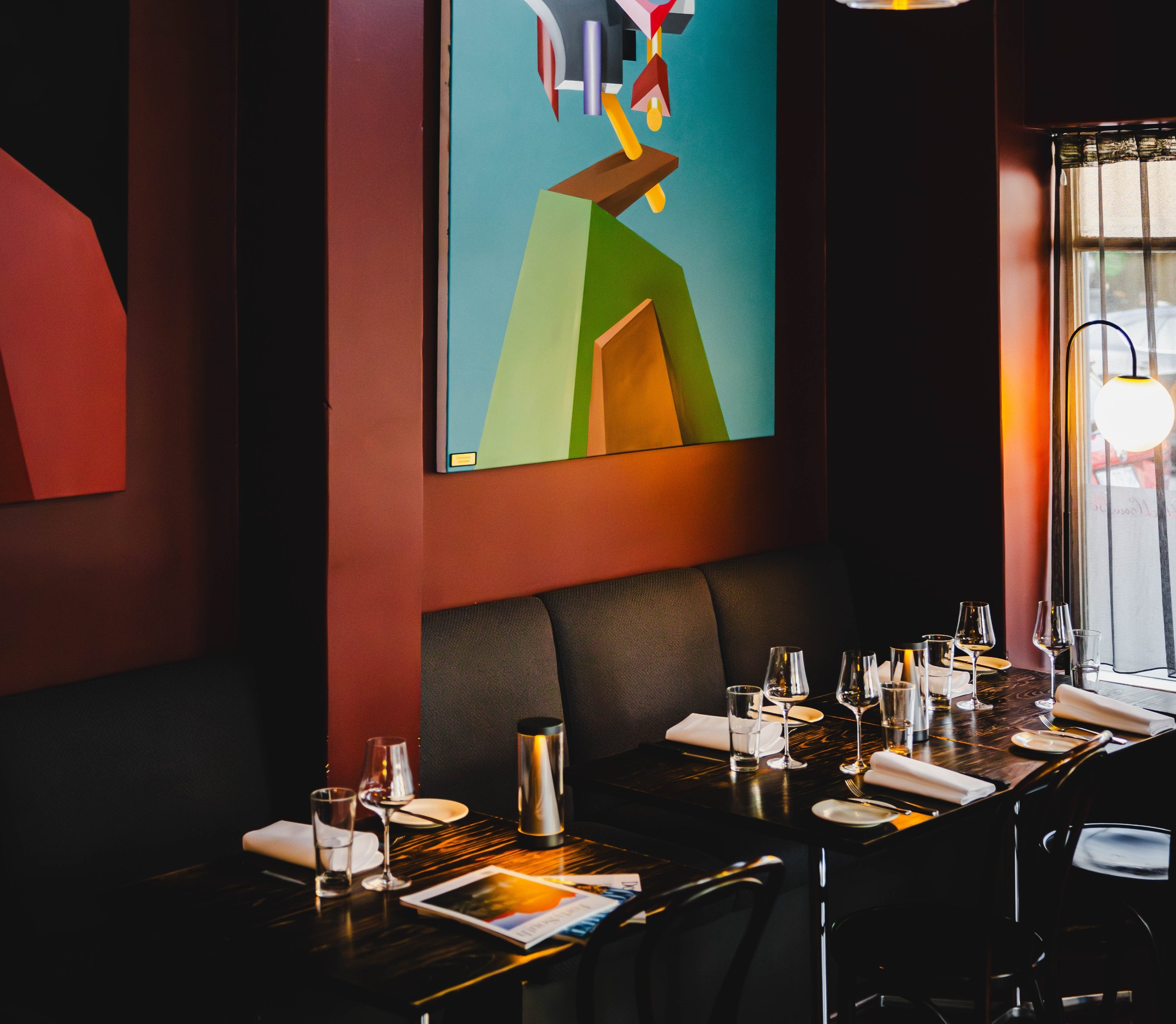
Stillwater - Casual fine dining in one of Tasmania's most awarded restaurants. Specialising in Tasmanian produce
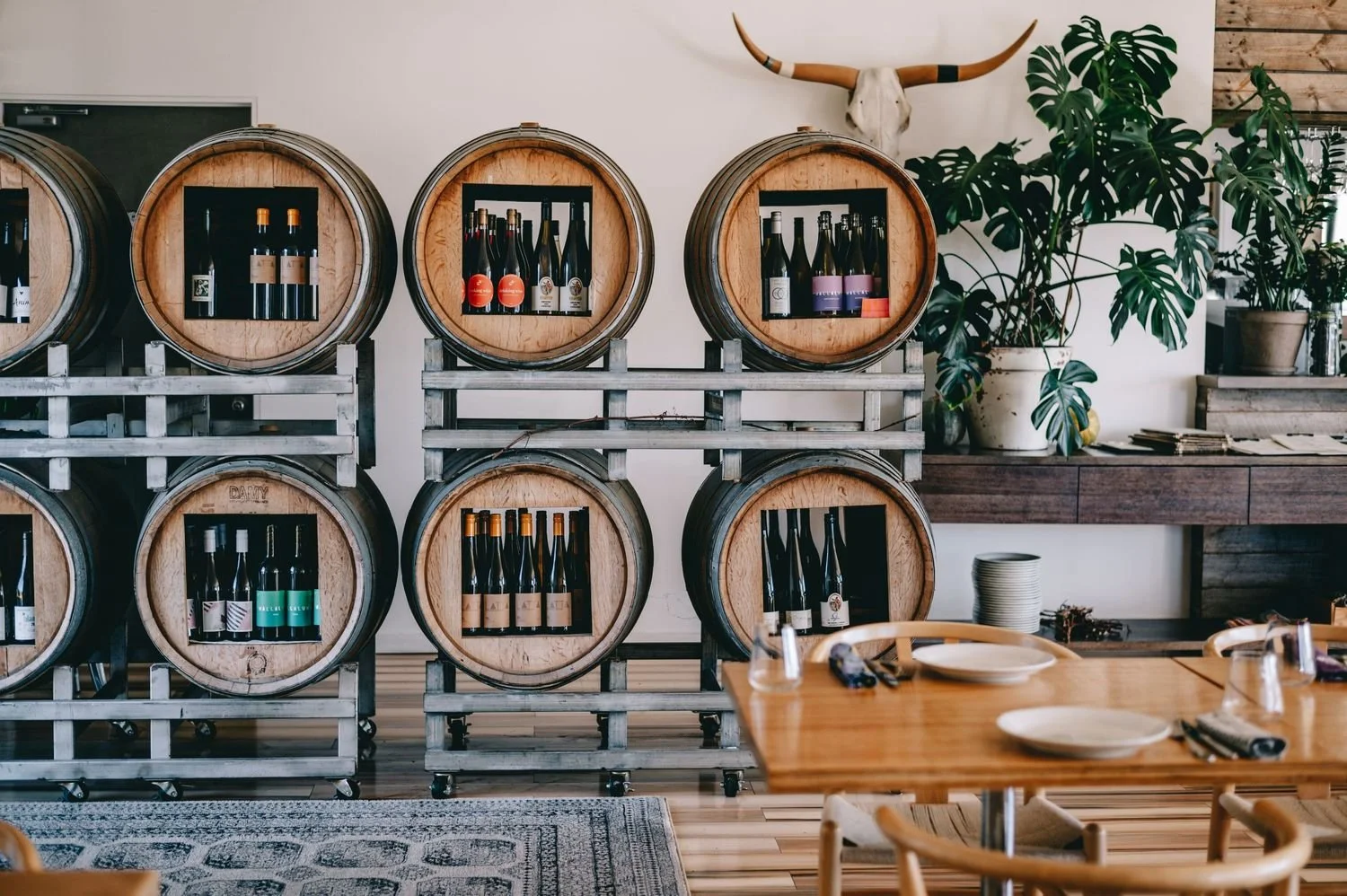
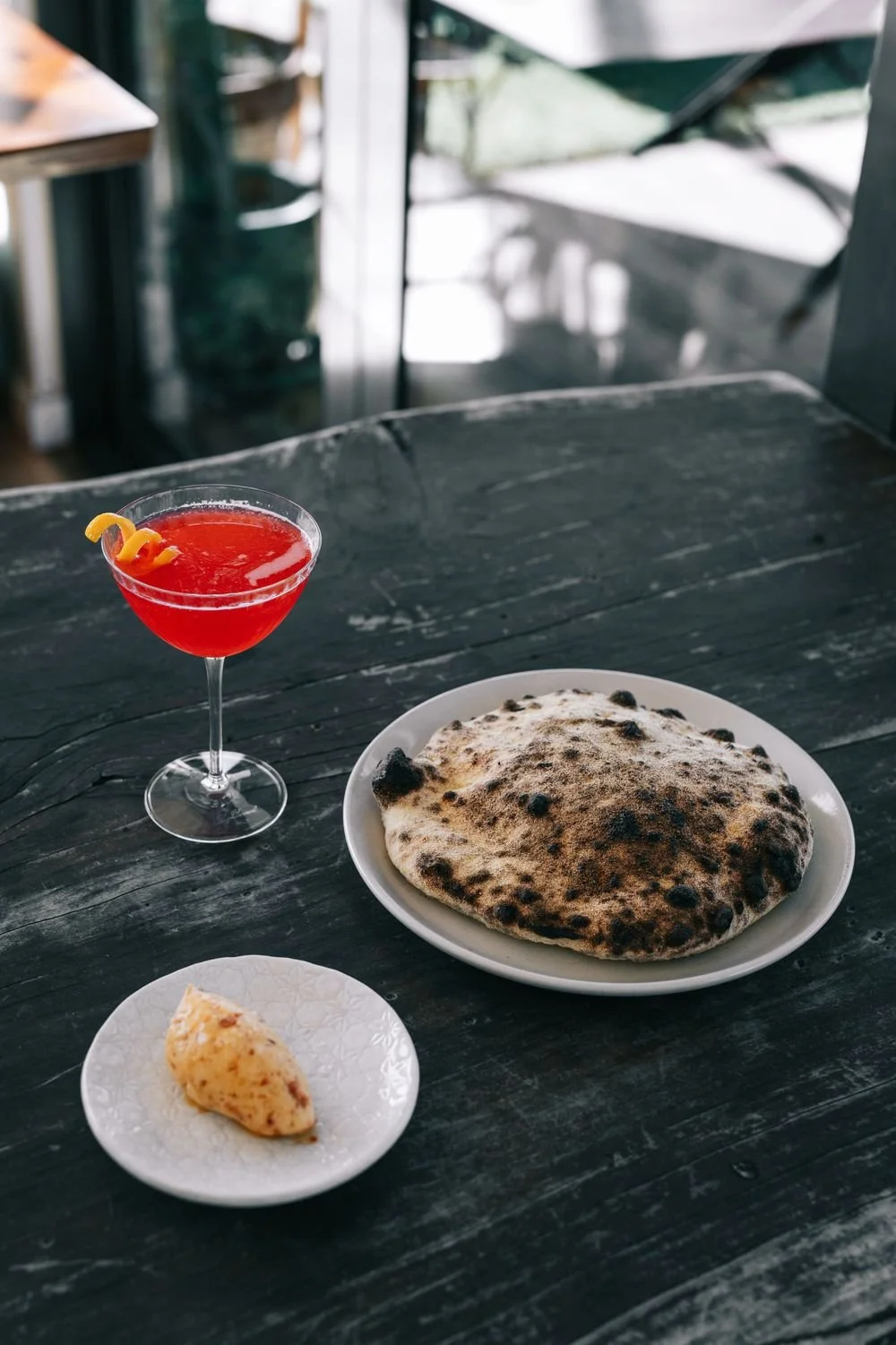
Timbre kitchen - Situated at Velo Wines in the West Tamar, 10 minutes from Launceston. Perfect for a weekend lunch, interesting and delicious menu - including wood-fired pizzas and vegetarian dishes.
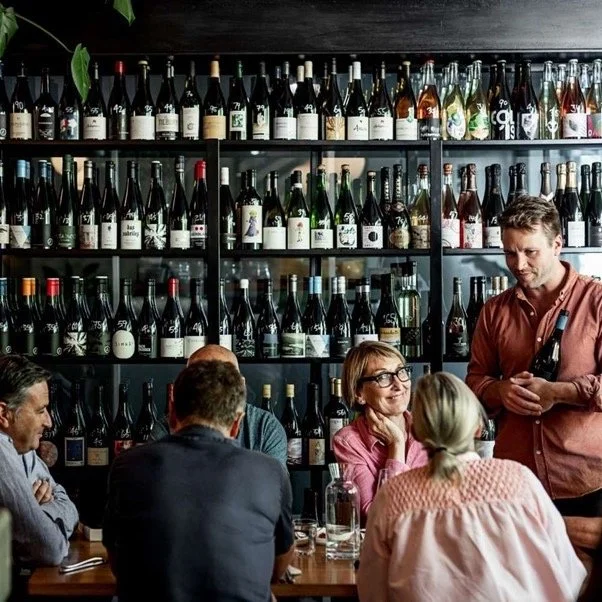
Havilah - for the wine enthusiast, and delicious small dishes
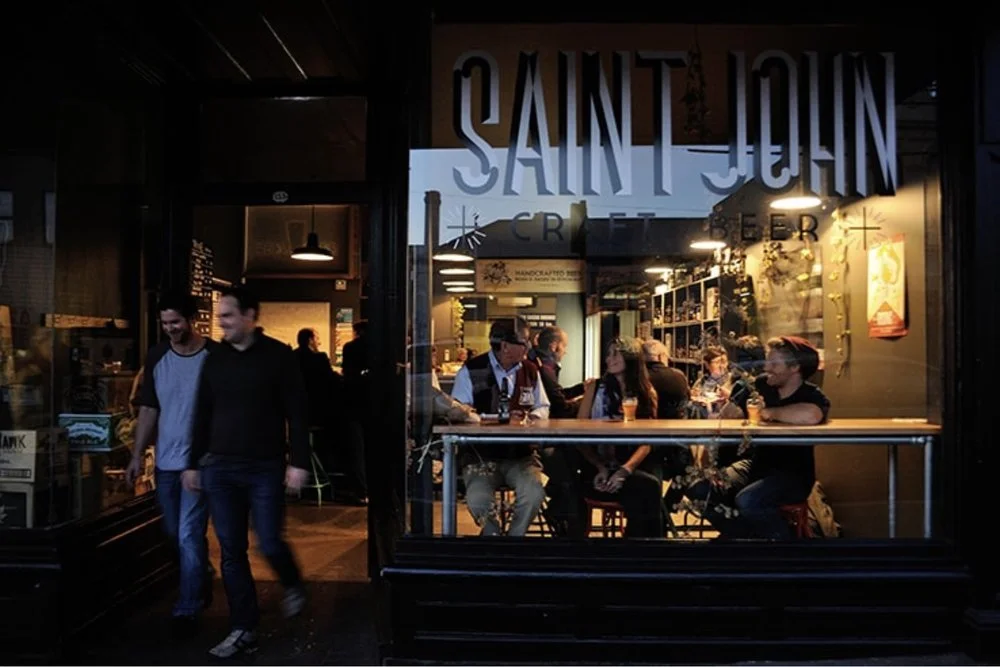
Du Cane - locally brewed beer, delicious wood fired pizza featured locally grown seasonal produce
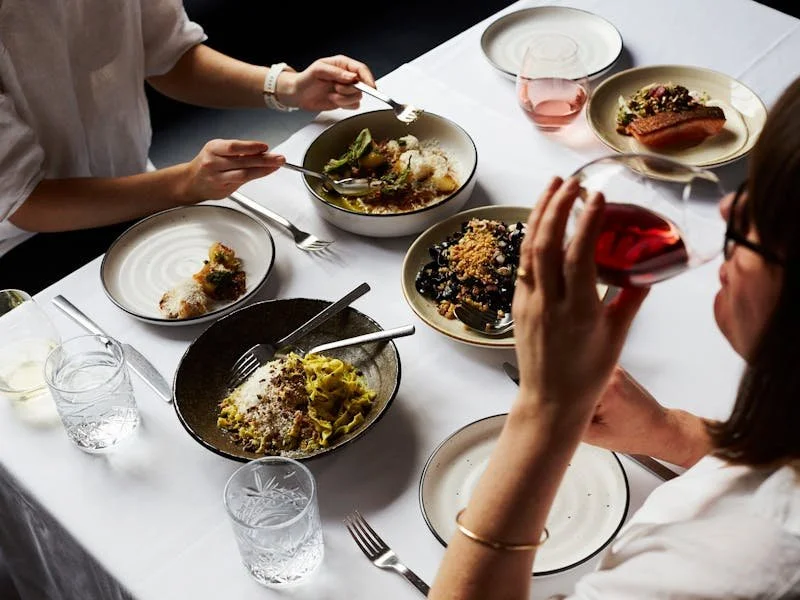
Stelo - Local produce through an Italian lens.

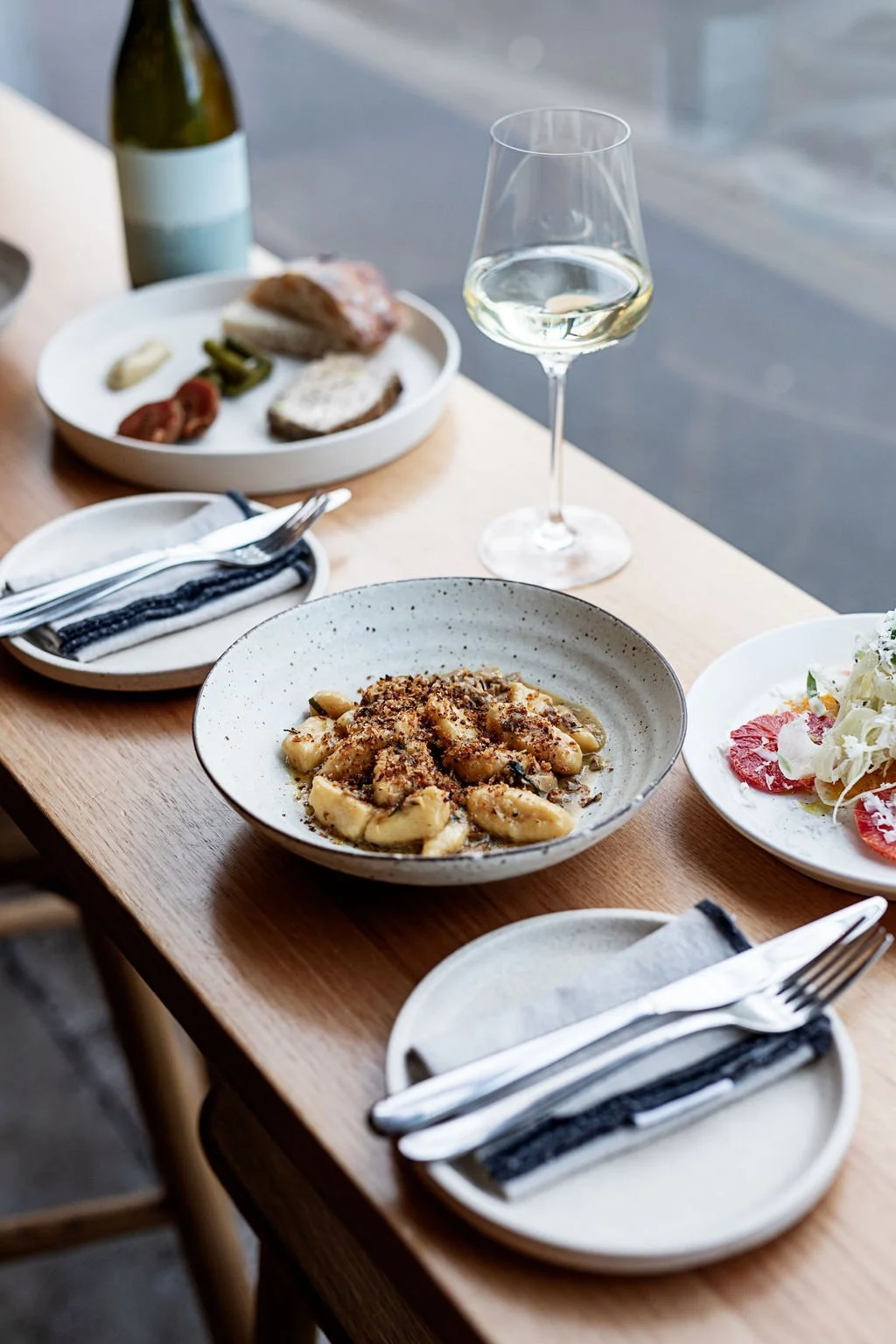




-
Havilah - for the wine enthusiast.
Bar Urbane - cocktail bar with live music.
The Rum bar - Rum Rebellion-inspired bar
Du Cane Brewing - bee brewed onsite.
-
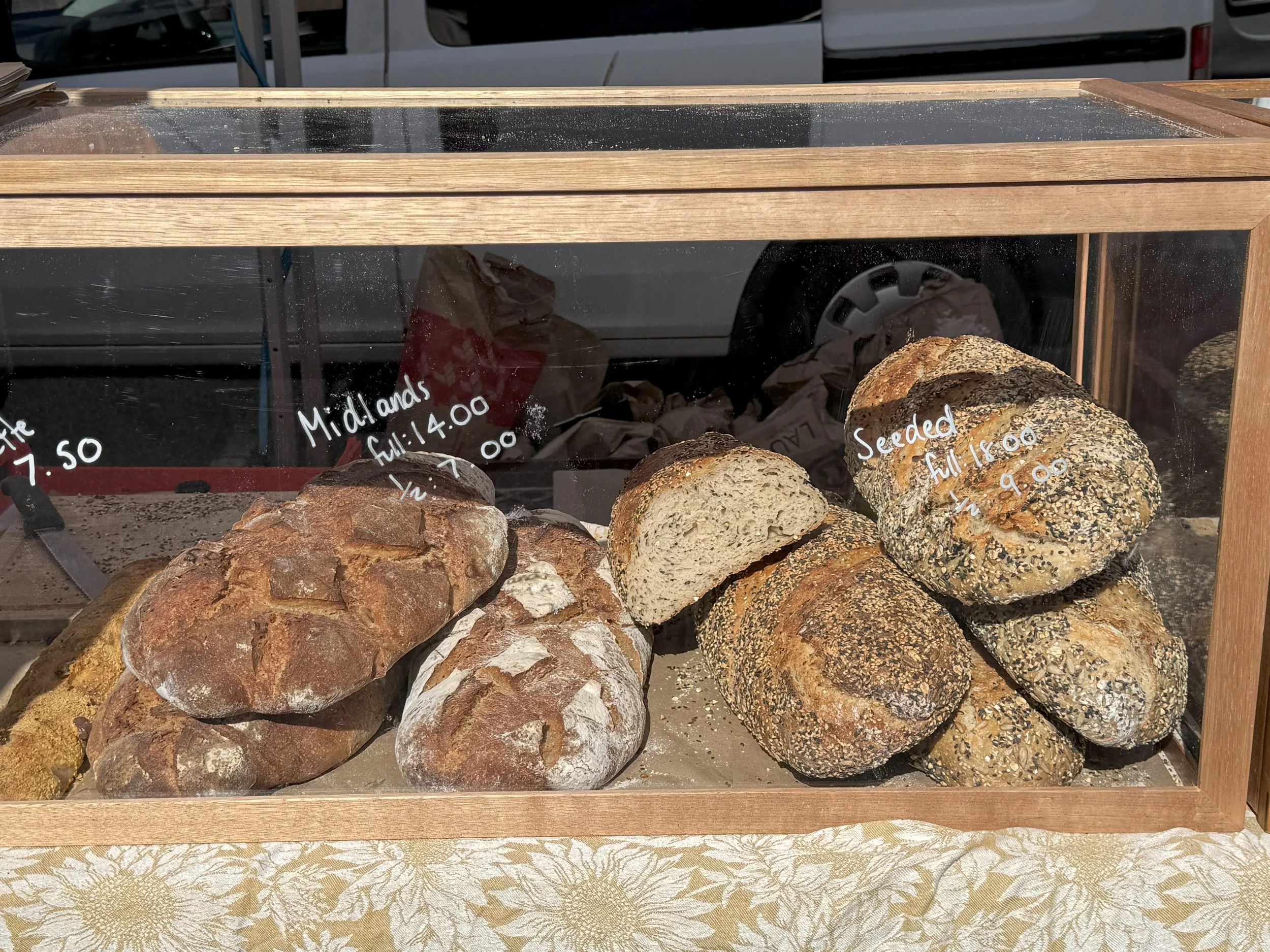
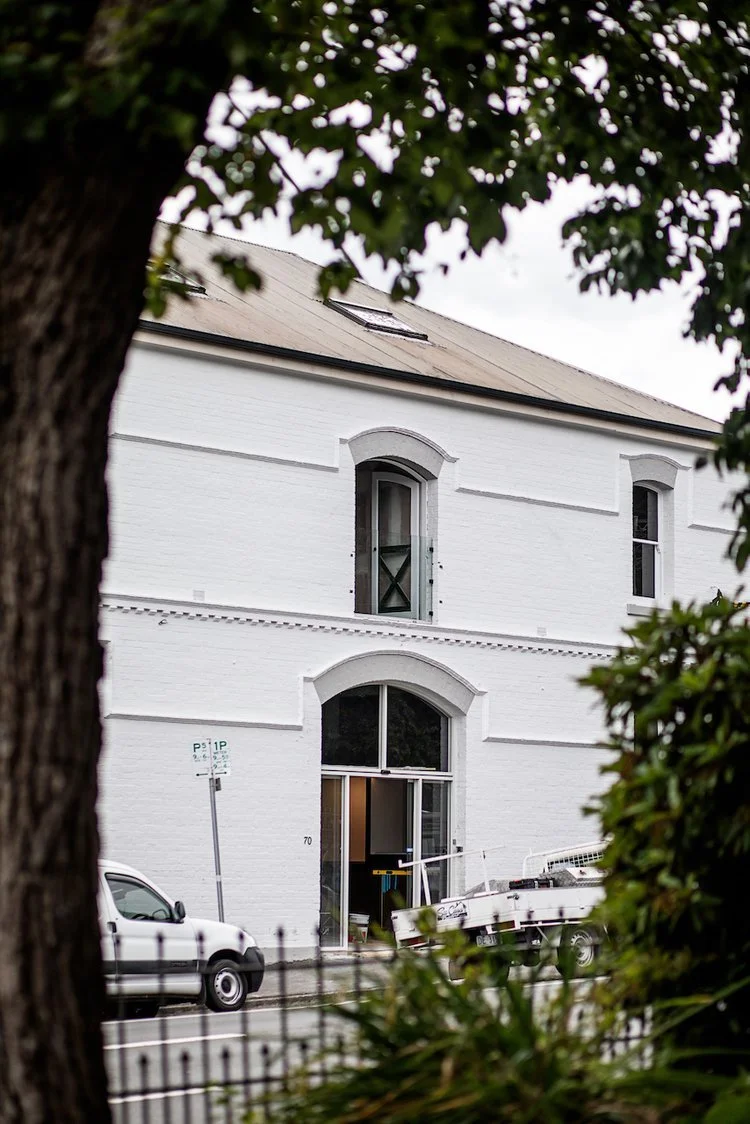
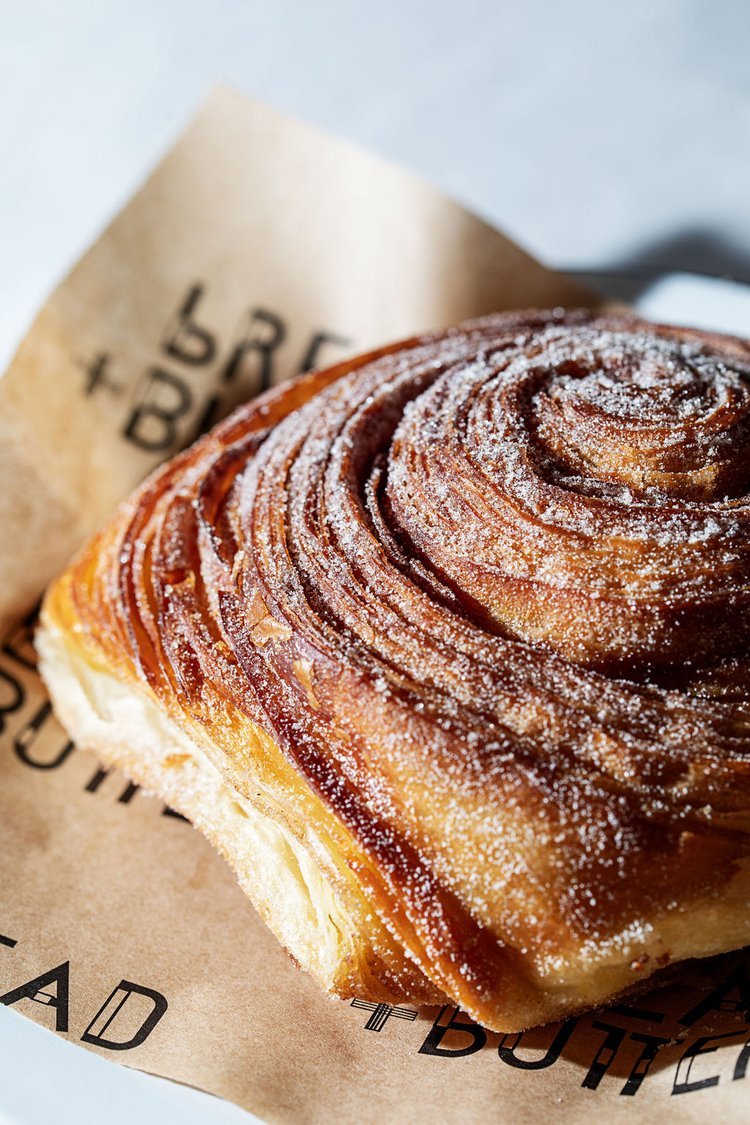
Bread and Butter, Elizabeth St East Launceston - great bread, pies and pastries, they also carry a good selection of Tasmanian cheese and their housemade butter!
Prince’s Square Bar (PSB) Charles St, Launceston - excellent coffee
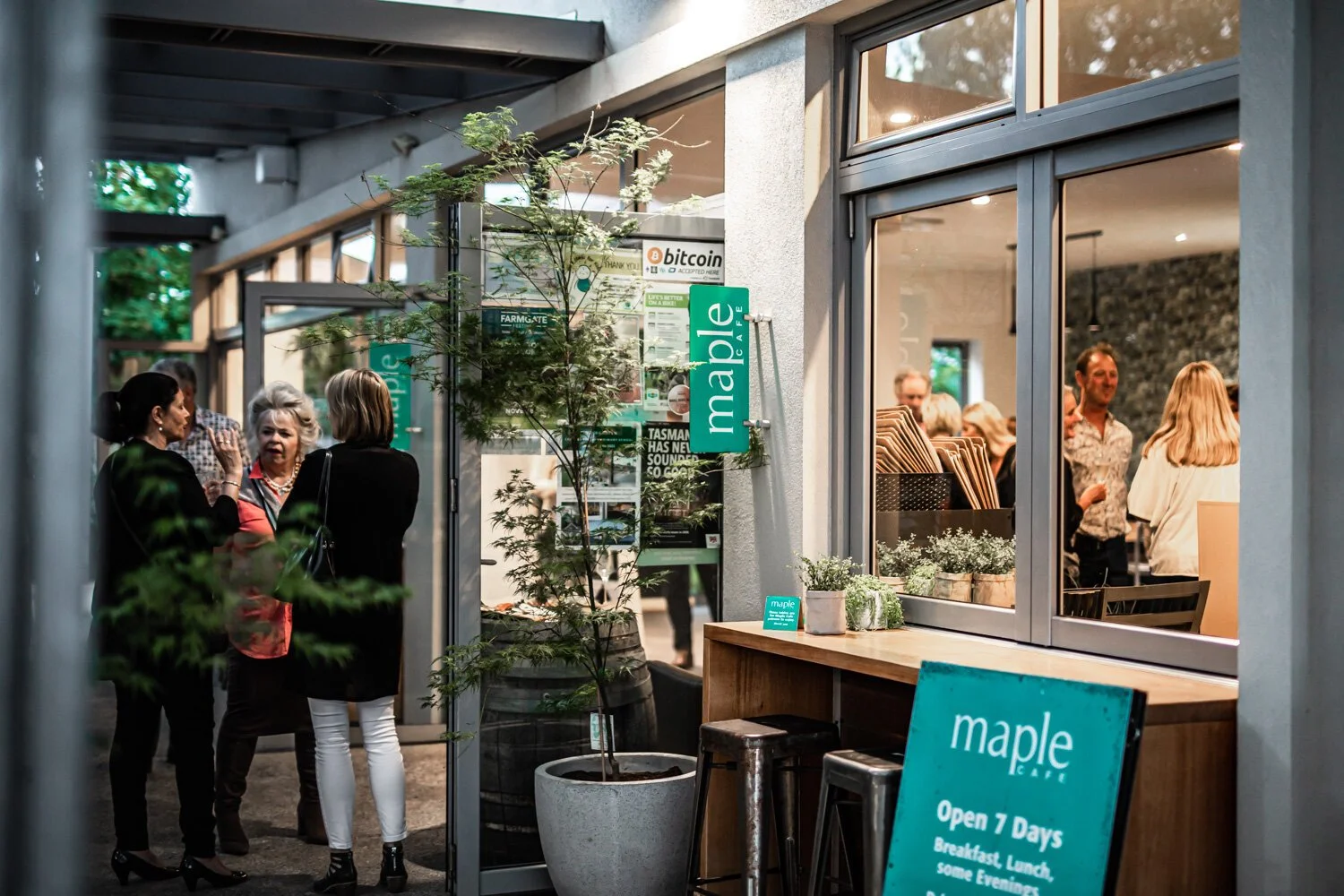
Maple Café on Abbott St, East Launceston - great breakfast menu.
Le Café on St George, East Launceston - located in the Park. Try their vegetarian muffins.
Frankie’s coffee house - George St
-
Bread and Butter, Elizabeth St, East Launceston.
Alps and Amici - 5 min walk from Beulah, sells fresh bread from Bread and Butter.
-
Ye Olde Greengrocer - Charles St, 10 mins walks from Beulah
Alps and Amici - 5 min walk from Beulah
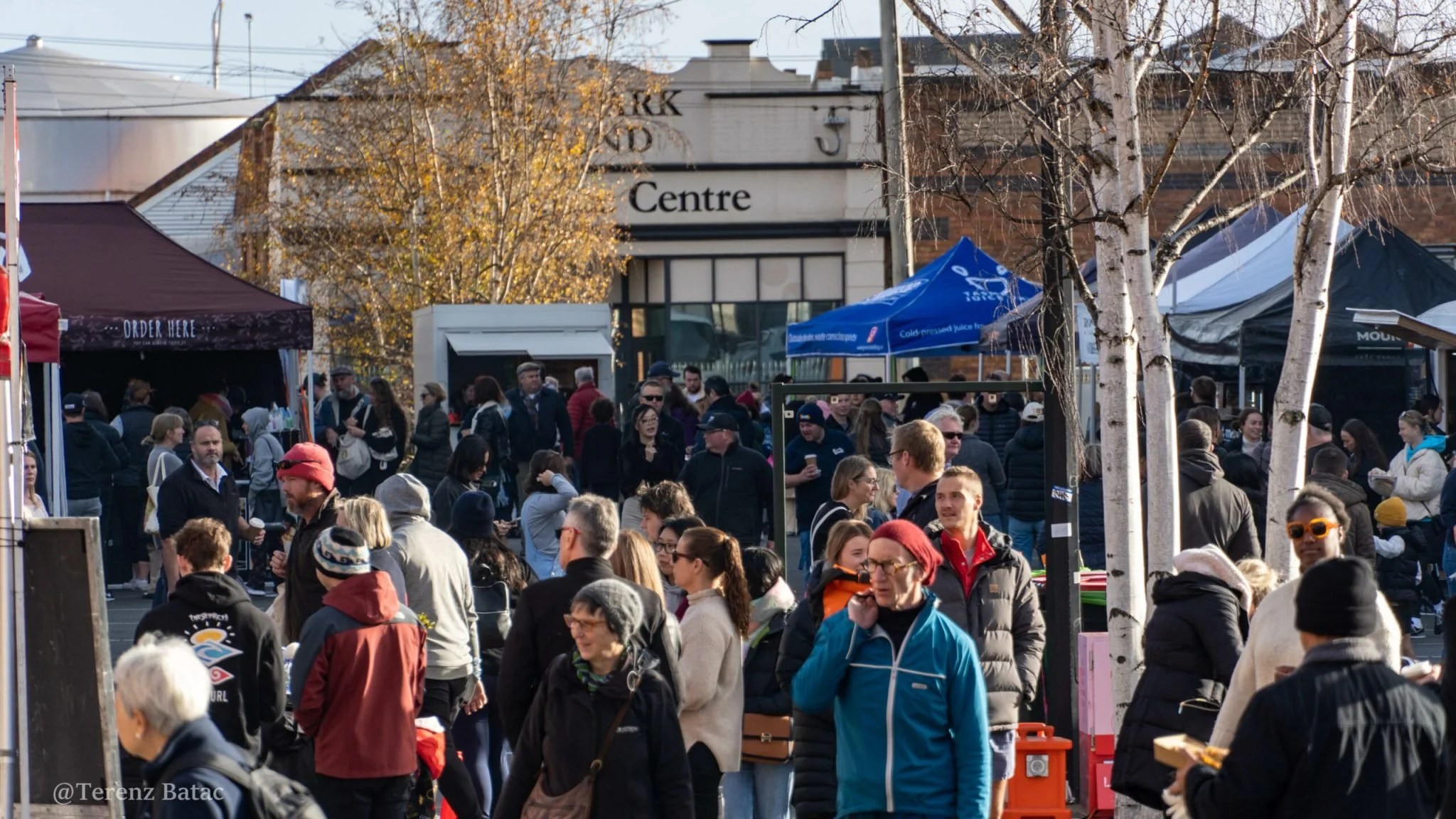
Harvest Market - Cimitiere St, Open Saturdays
-
Harvest Market - every Saturday in the heart of the city.
Alps and Amici - 5 min walk from Beulah.
St George Square Quality Meats if needing some quality meat for cooking
Coles, Charles St - near Princes Square or Racecourse Crescent - 10 min walk from Beulah.
-
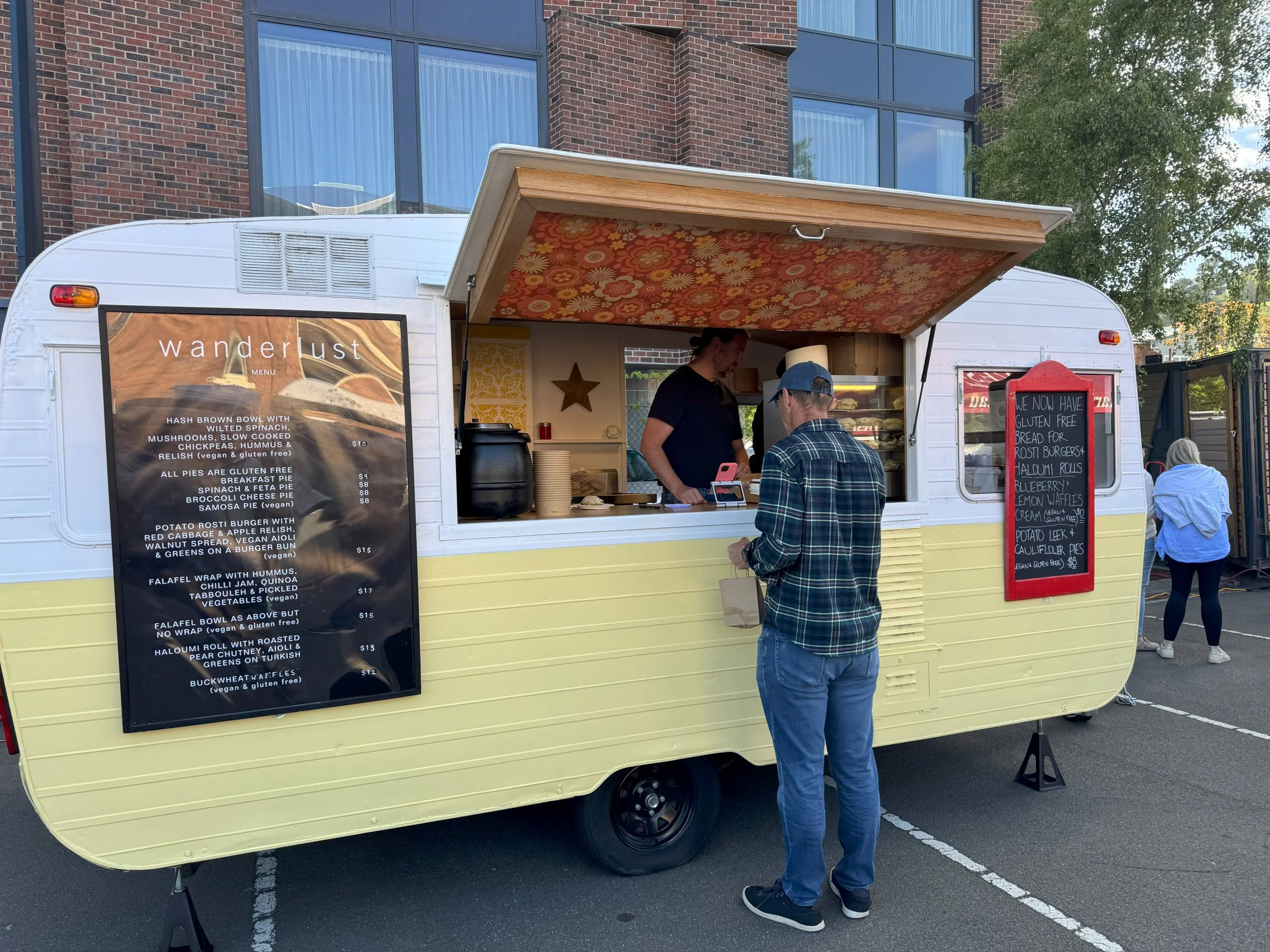
Alps and Amici - freshly prepared meals, 5 min walk from Beulah.
Small Grain - delicious, healthy options made with locally sourced seasonal produce - easy lunch and dinner and so so good, or the
The Curry Club - always consistently good curry, excellent takeaway




Walks in Launceston City
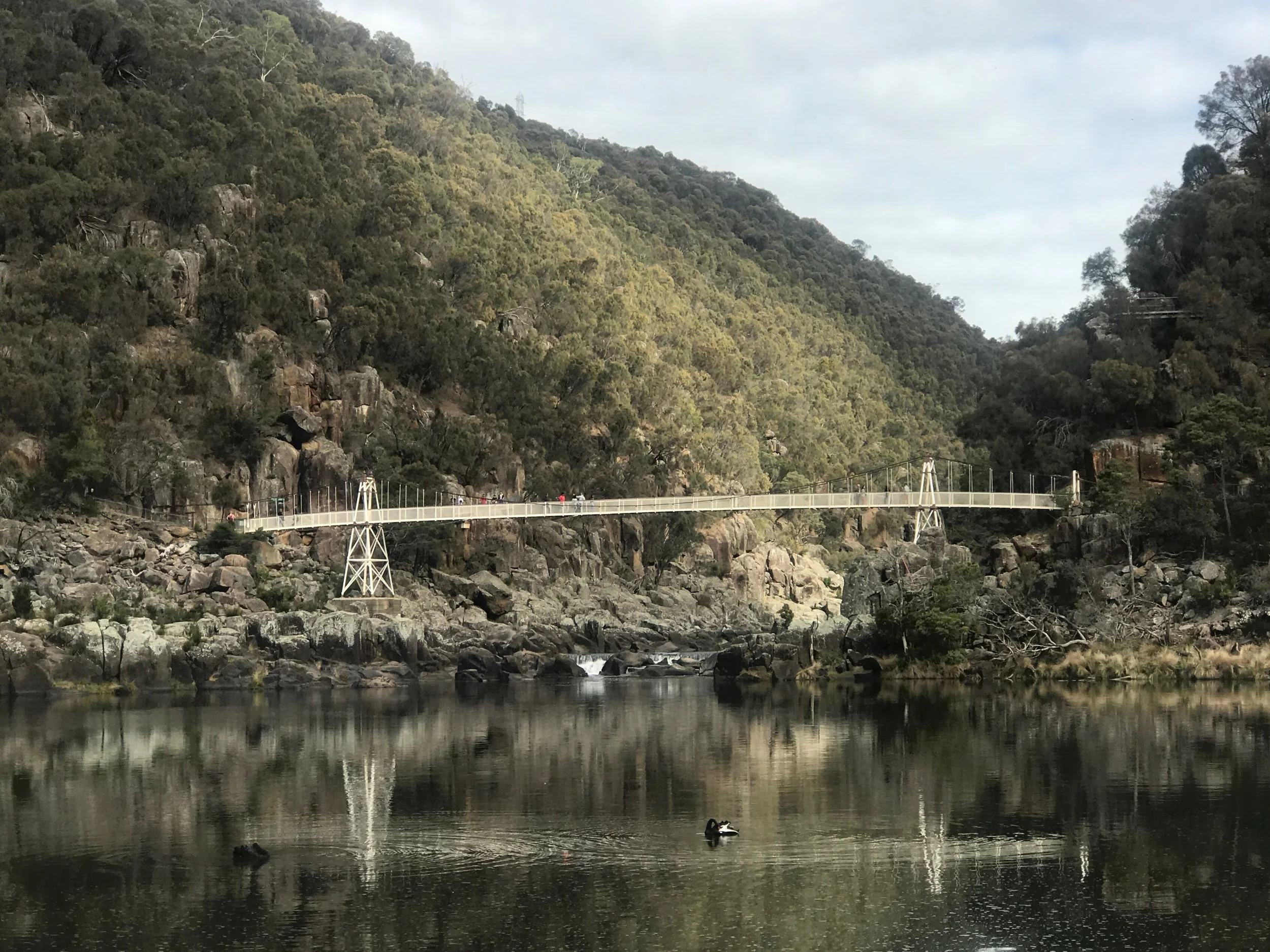
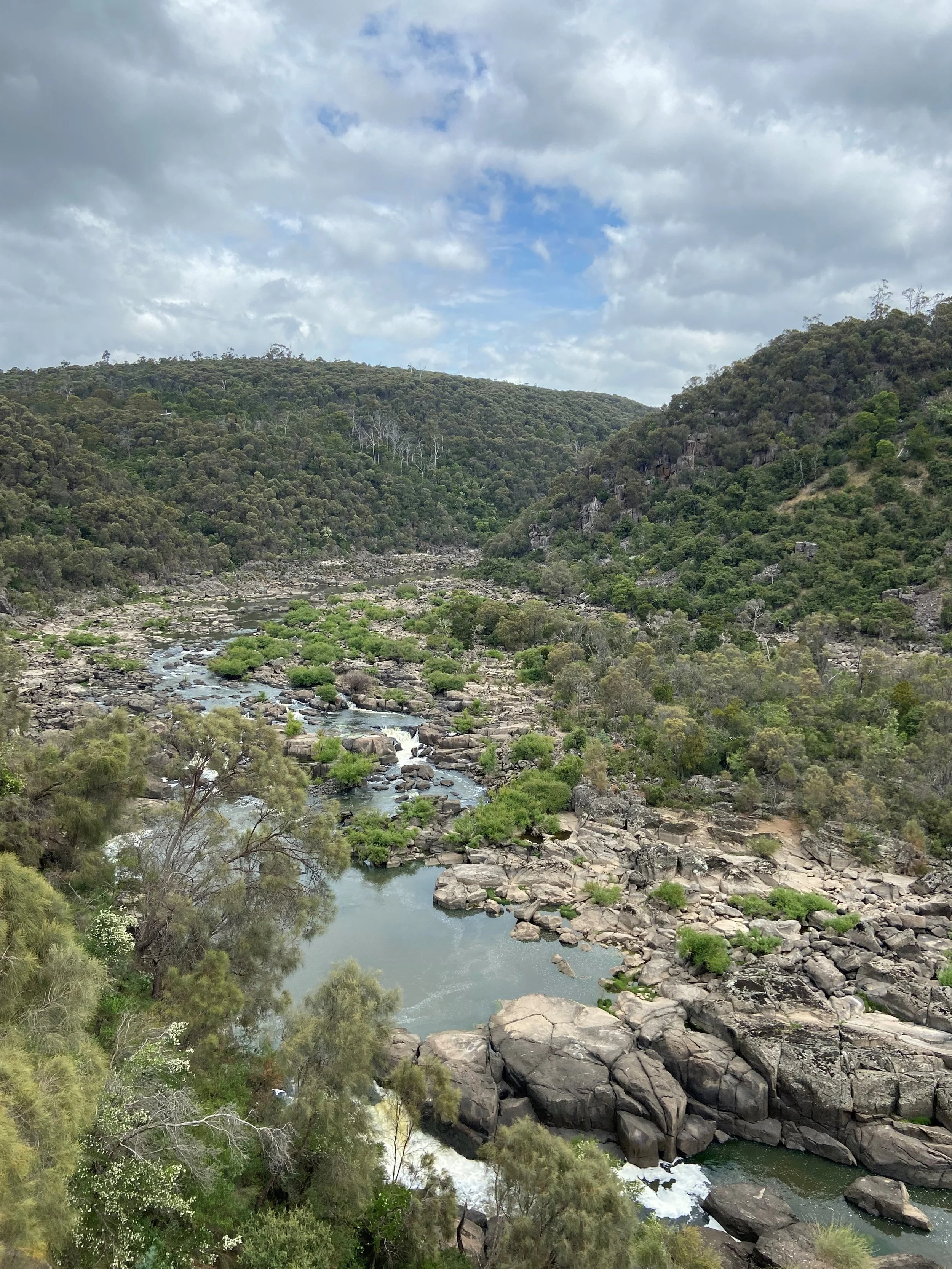
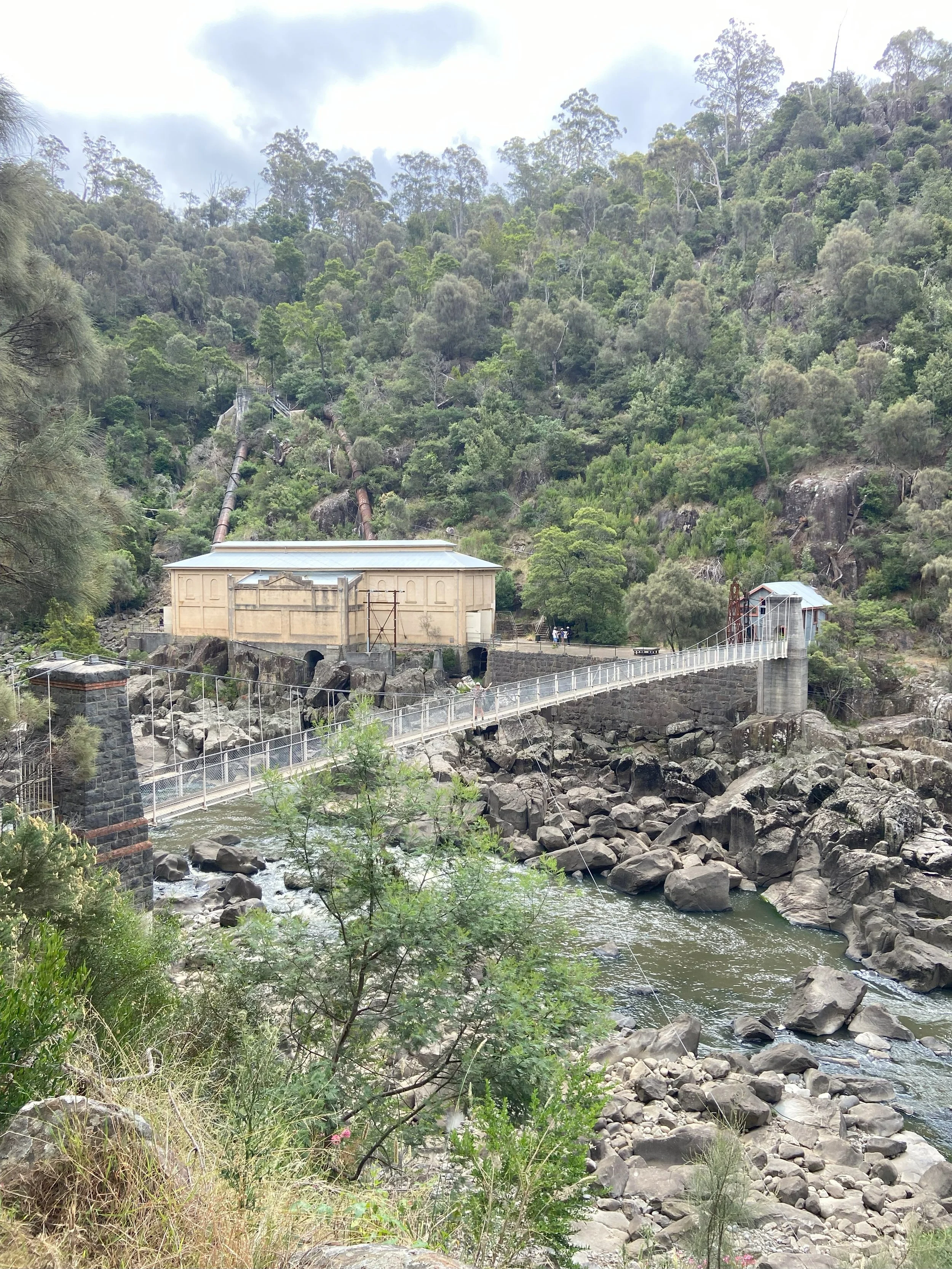
Make sure you visit the Gorge and take the Gorge Scenic Chairlift – enter via King’s Bridge. The Cataract Gorge is a true urban wilderness – forested river reserve wrapped around a dramatic gorge, with surprising proximity to the city. Kings Bridge was built in 1867 but the natural history of the Gorge stretches back tens of millions of years, and is a significant site for the Tasmanian Aboriginal people.
Walk to Duck Reach Power Station - start at the swinging bridge in the Gorge. A one hour walk up the eastern side of the river, descending to another bridge and crossing to the historic Duck Reach power station. The station, one of the earliest hydro-electric power stations in the world, operated from 1895 to 1955.
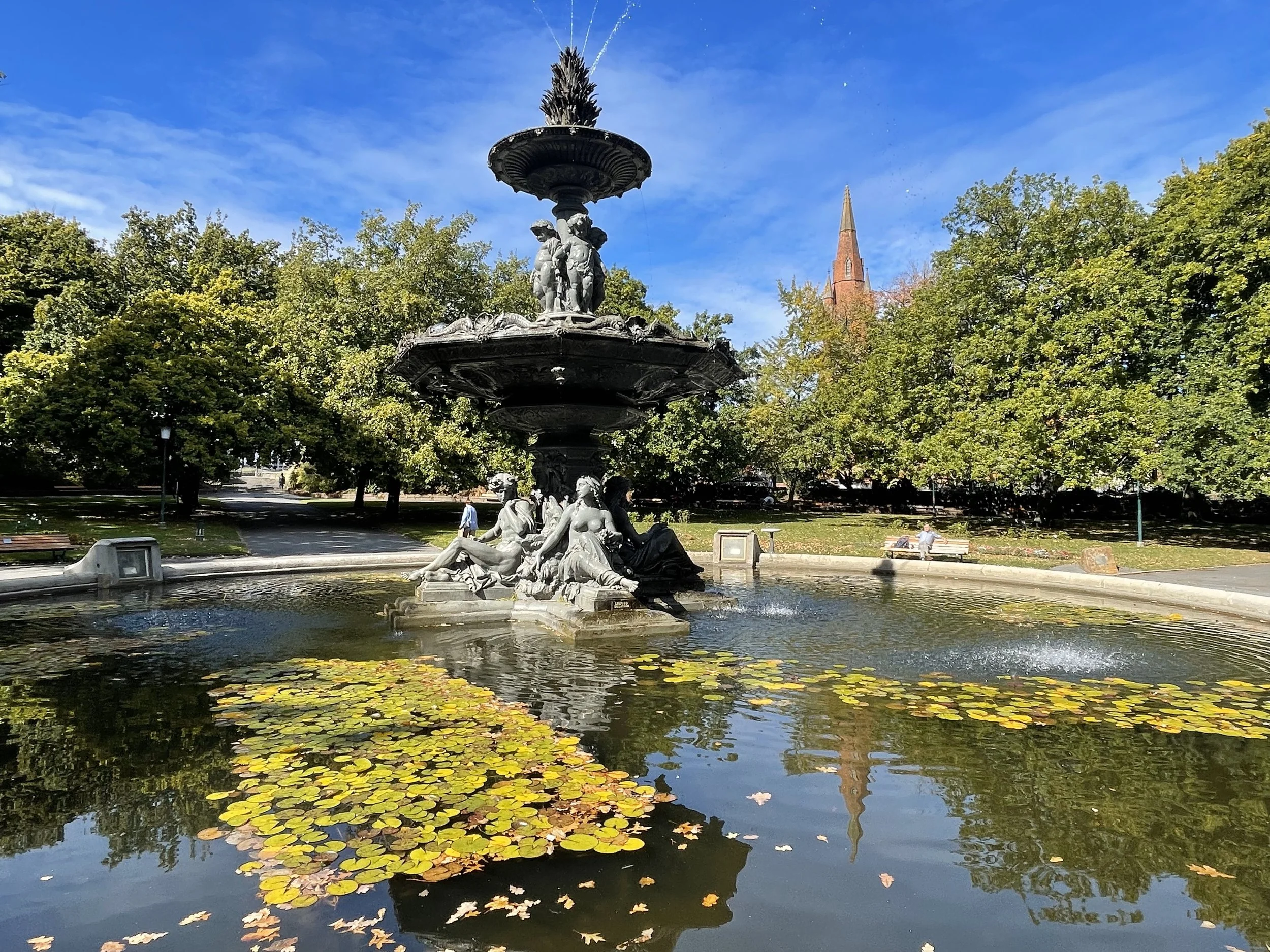
Visit the City Park, the conservatory and monkey house are key features. The City Park was Established in the 1820s by the Launceston Horticultural Society. The John Hart Conservatory was erected from the John Hart bequest in 1932.
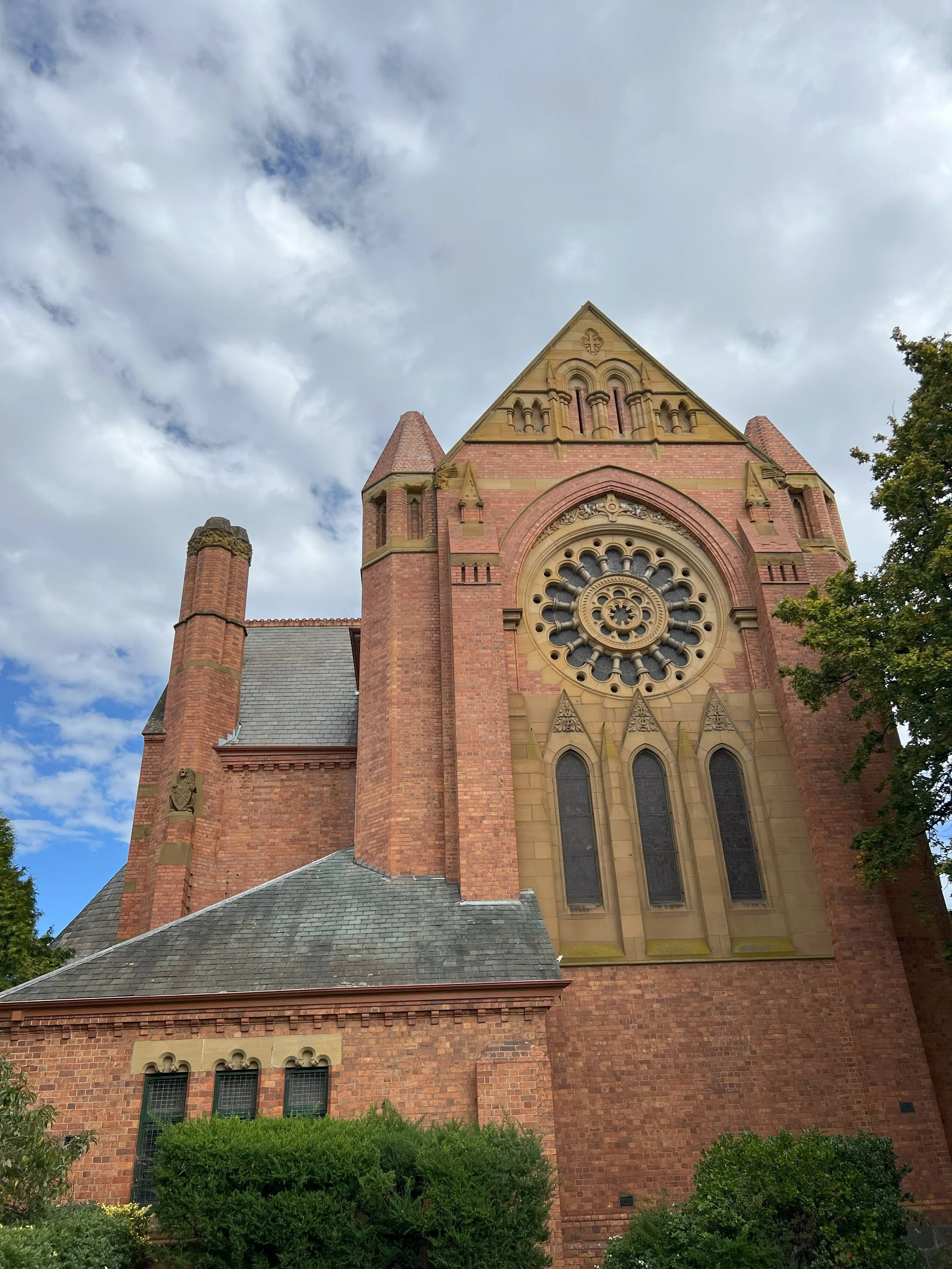
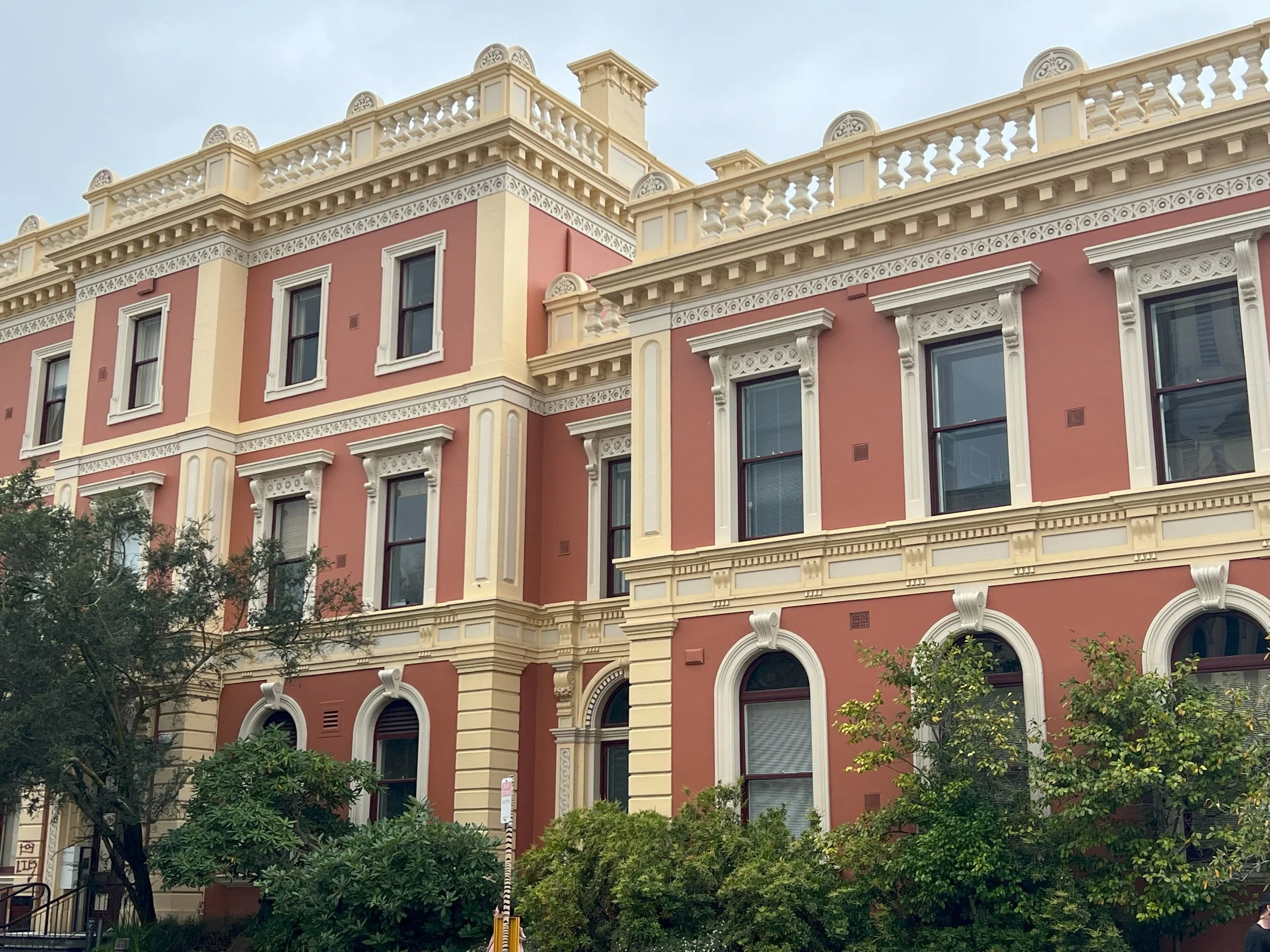
Take a historic self-guided walking tour of the city's heart, look up at the historic buildings, take a break in the parks and squares. Visit the SeaPort and walk along the Launceston Boardwalk.
Welcome to Launceston – Launnie for short.
The meeting place of three waterways, our beautiful valley has been a cultural hub and gastronomic centre for more than two thousand generations.
The first to love this land were the Tasmanian Aboriginal people, who have one of the oldest continuing cultures in the world. Today, around 110,000 people call Launnie home.
Our city is human scale. A series of green and wild spaces linked by heritage streetscapes and thoughtful adaptions. A real blend of old-world and new, tradition and innovation. We’ve honed our craft and aren’t scared to experiment either – there’s always something exciting bubbling away.
Our natural and built heritage, food, wine (and spirit) have drawn together a diverse community of makers, artisans, storytellers and nature lovers from all over the world. Culture takes many forms, and we’ve made life’s simple pleasures an art.
We aren’t much into big-city swagger, but you’ll find plenty of charm. Our close-knit community always has time for people, time to connect. Here, the farm gate is the local store, nature is our playground, and the cellar never runs dry.
The table is set, the company is excellent, and all we’re really missing now is you.
Other places to visit in Launceston City
-
-
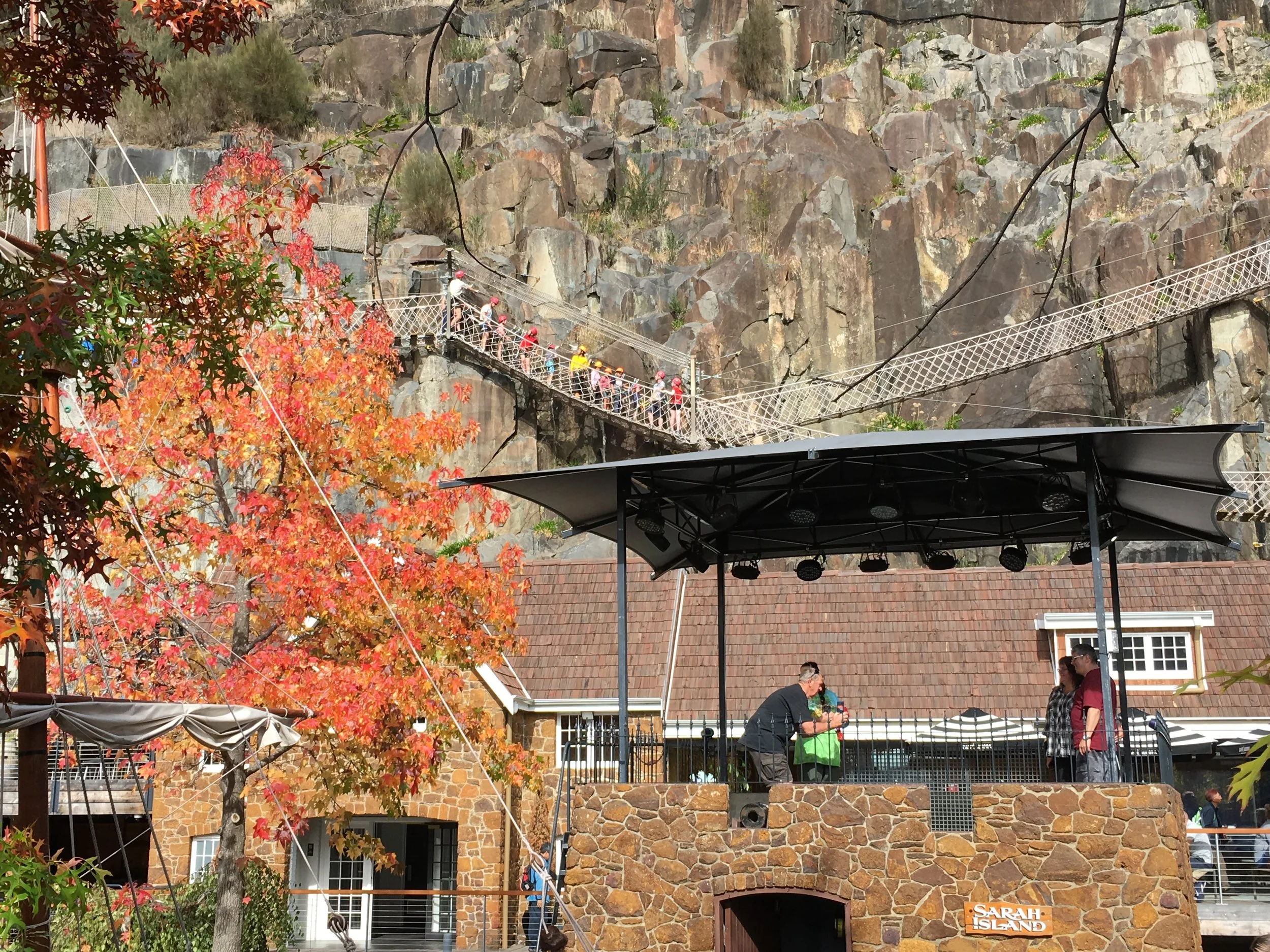
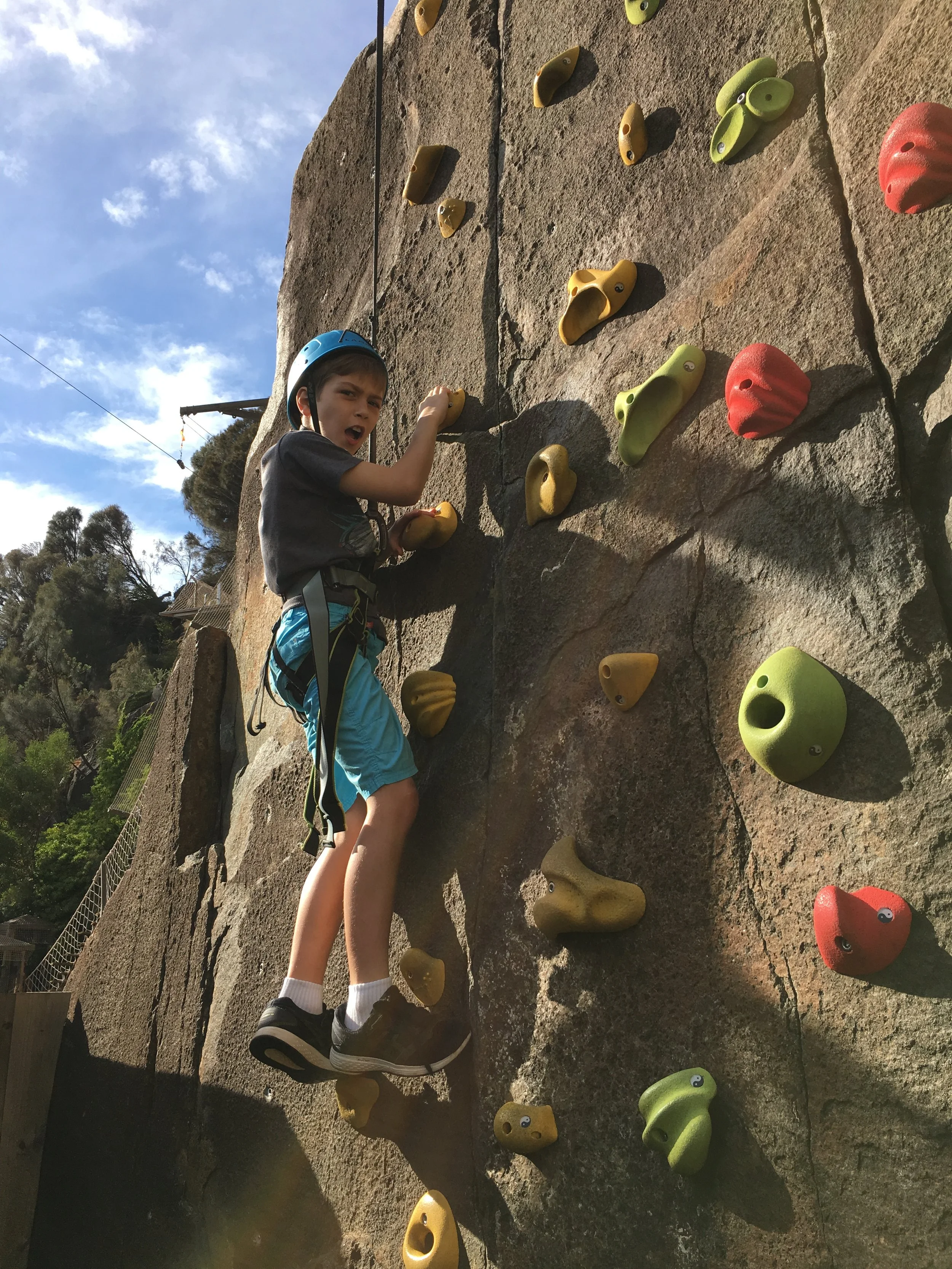
Visit the Penny Royal - a great activity for families. Penny Royal Adventures aim to re-create 19 century's Van Diemen's Land. It provides a village experience for everyone from history-themed boat rides to ultimate cliff adventures such as cliff jump, zip lines and cliff walk
-
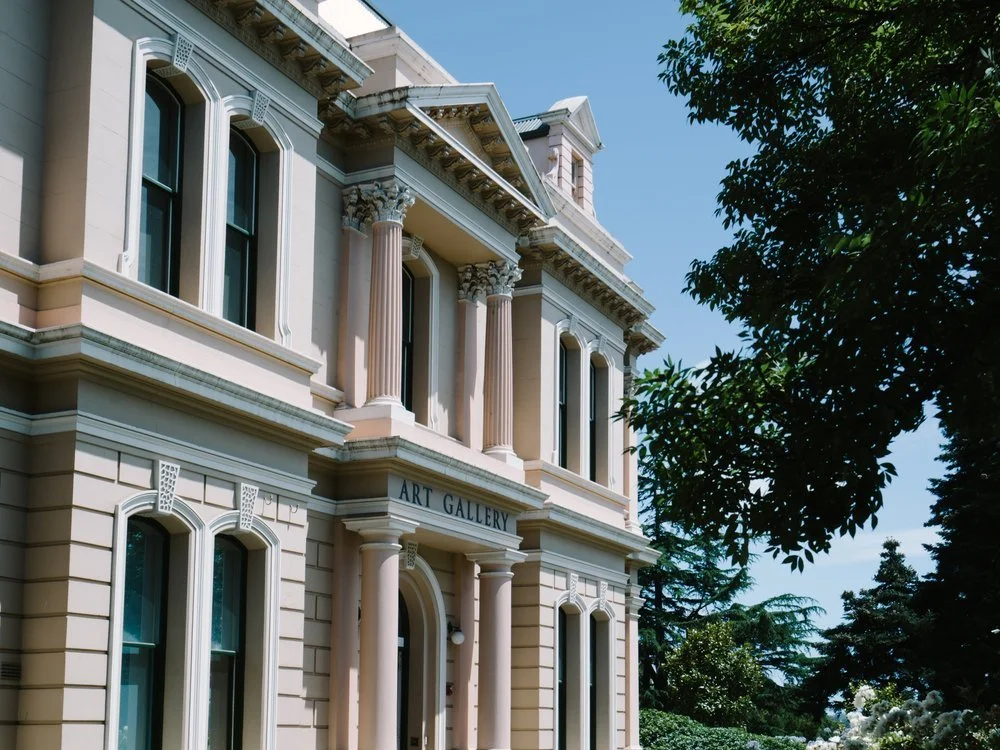
The Queen Victoria Museum - Launceston's leading collection of traditional and contemporary art.
-
The Launceston Planetarium has been open to visitors since 1968 and became part of the Queen Victoria Museum at Inveresk in 2009. A great activity for families.
-
Launceston Aquatic Centre - opposite Beulah house. Offers state of the art aquatic facilities including heated indoor and outdoor pools and slides.




Day Trip to the west of the Tamar River
-
-
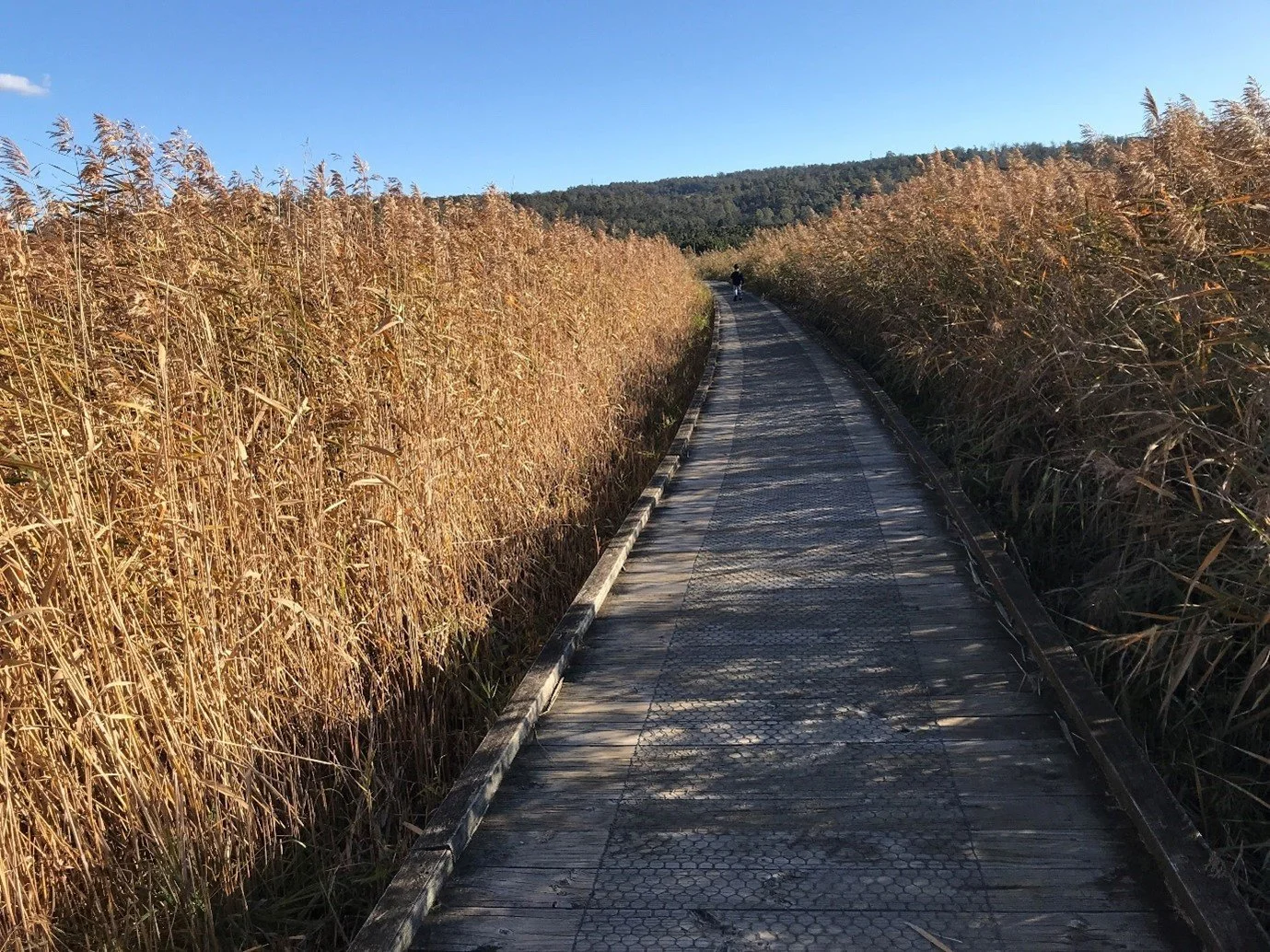
The Tamar Island wetlands track – walk along the boardwalk through to Tamar Island wetlands, surrounded by tall native Tasmanian grasses and teeming with native birdlife and some ducks. The views from Tamar Island are incredible – from Tamar Valley through to Launceston and the peaks of Ben Lomond.
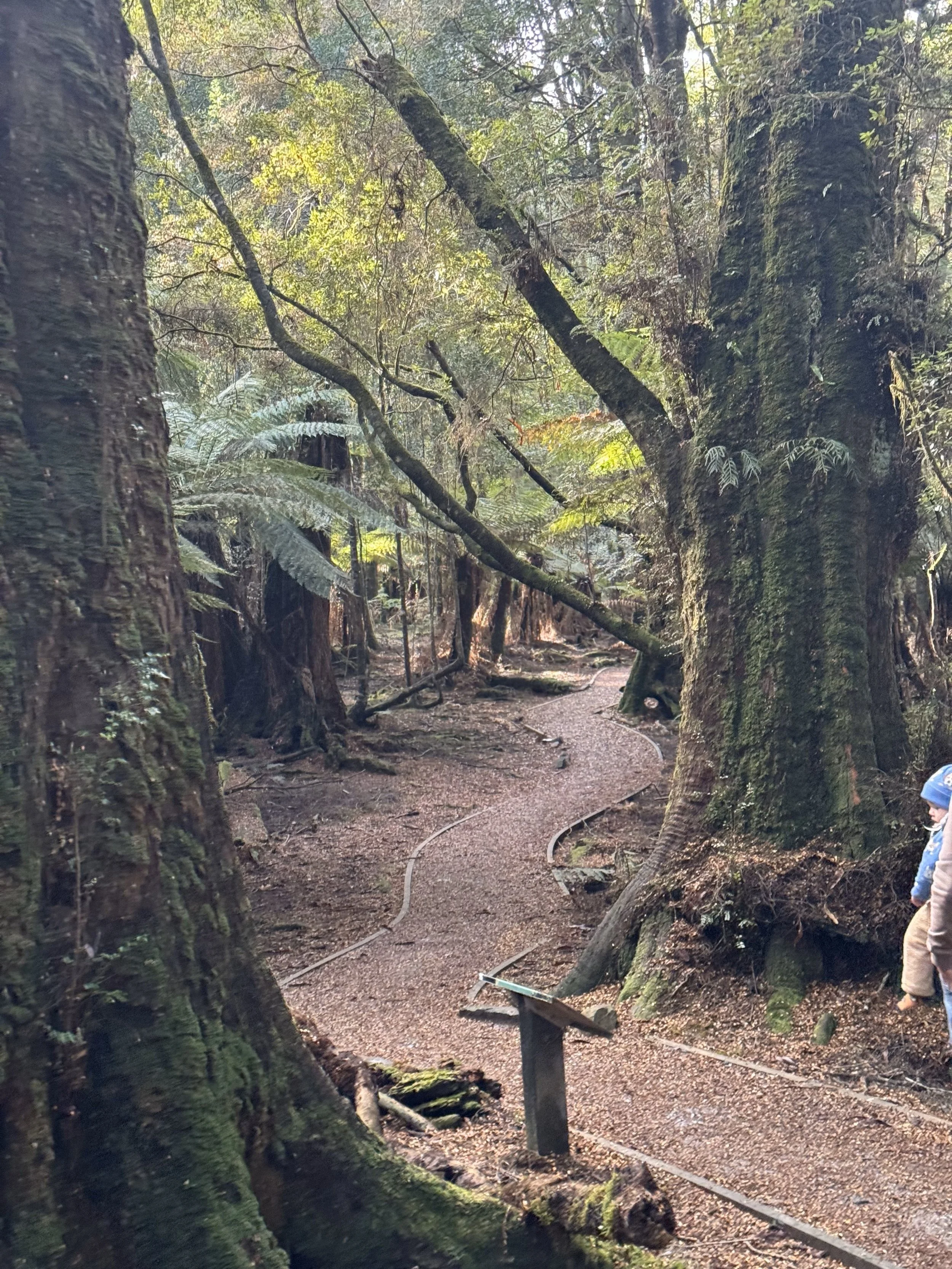
Notley Fern Gorge - located near the Tamar Valley in northern Tasmania, is a luscious, ancient rainforest full of tall trees, ferns and moss. There is a walking path and a picnic place in the wet sclerophyll forest area, which is surrounded by towering trees.
-
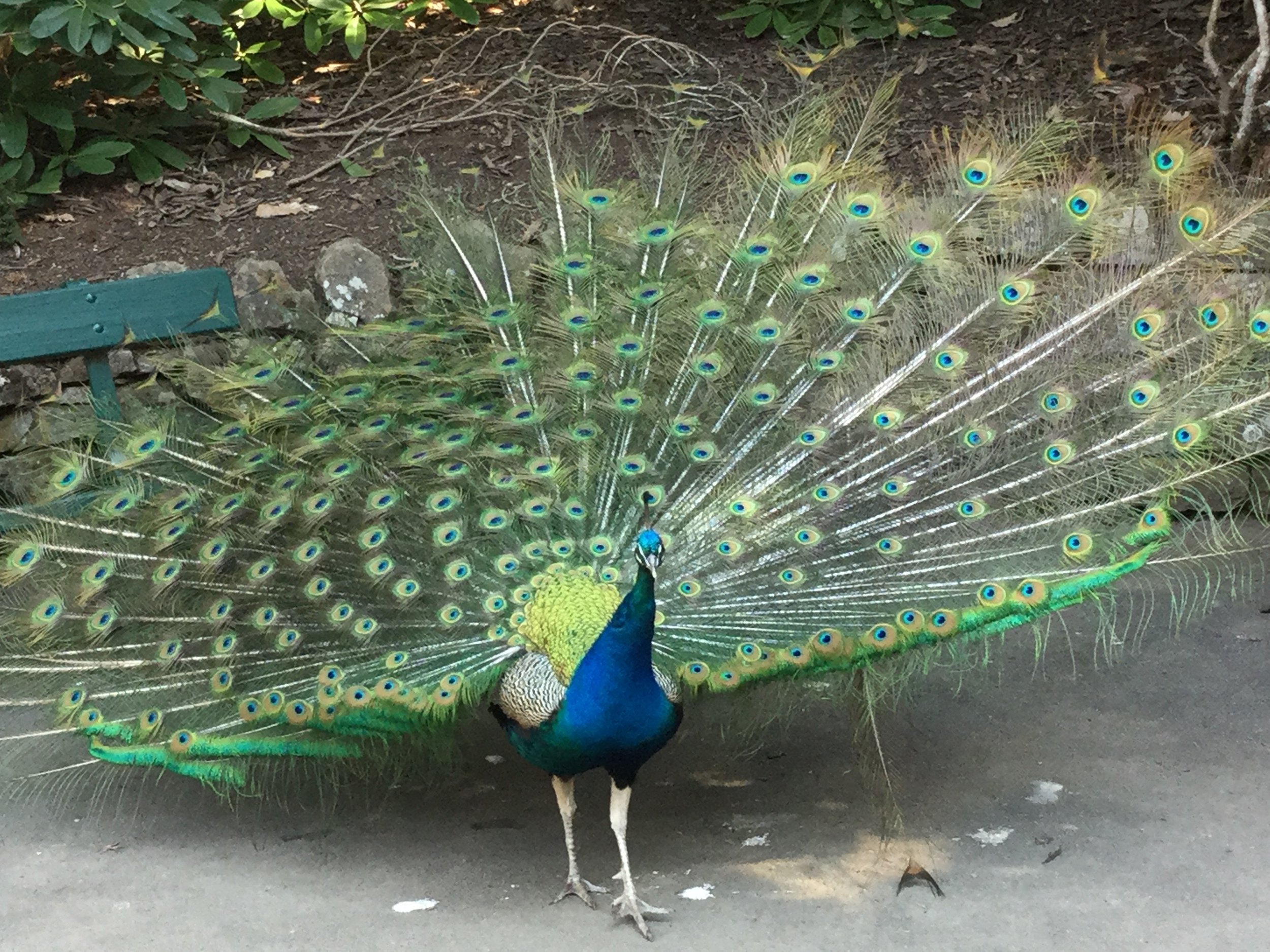
Tasmania zoo - located in Riverside, Tasmania. Features the largest collection of native and exotic wildlife in Tasmania.
-
Brady's Lookout - A unique attraction in the Tamar Valley. Once was the hideout for bushranger Mathew Brady.

Day trip to the east of the Tamar River
-
-
Lilydale waterfalls - On the eastern boundary of Lilydale - a reserve and picnic area, 10 minute return walk under cover of ferns and eucalypt forest to discover two delightful cascading waterfalls.
Mount Arthur walk track - 8.2-km out-and-back trail near Lilydale. Scenic hike, fantastic views from the top.
-
Bridestowe Lavender Farm - largest lavender farm in the Southern Hemisphere, famous for the spectacular view of the lavender in bloom in December and January.em description
-
Low Head Lighthouse The third oldest lighthouse in Australia and the second oldest lighthouse in Tasmania. The Low Head Lighthouse’s origins date back to 1833, when it was first built, and was replaced by the present (now fully automated) lighthouse in 1890. Like the Low Head Pilot Station, the Low Head Lighthouse is still in operation today.
Low Head Penguin Tours - offering visitors the opportunity to see species of penguins unique to Australia and New Zealand.
Beaches - East beach and Lagoon Beach
-
Utilising the magnificent forests around Hollybank, located just a short drive from Launceston, Hollybank Treetops Adventure offers a unique and exhilarating adventure into this spectacular world. The tour combines the adrenaline rush of a high-wire zipline canopy ride with an informative and highly entertaining outlook of the forest.
-
Lost Farm Barnbougle golf course - 1 hour drive from Launceston, 20-holes that wind along the spectacular coast and through the coastal dunes.




Historic day trip - south of Launceston
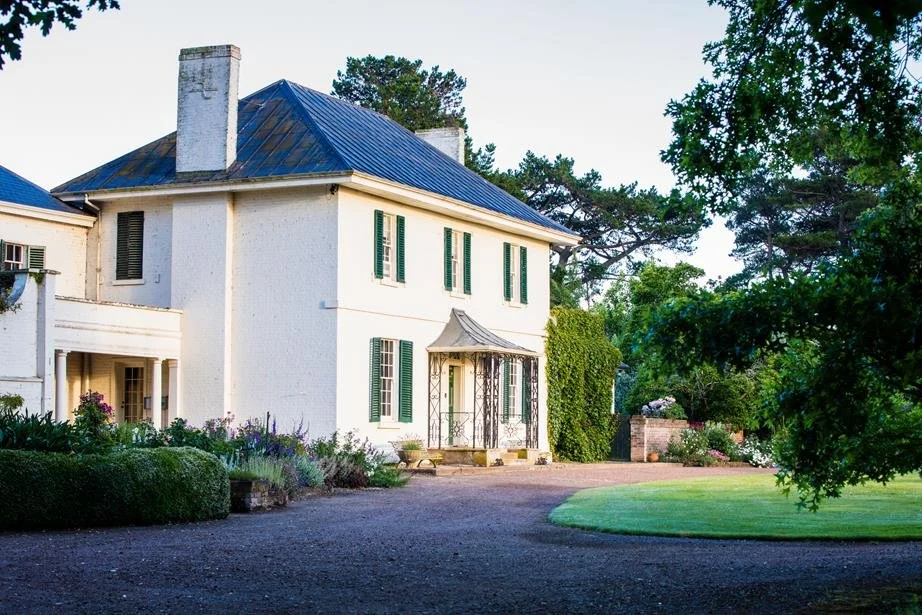
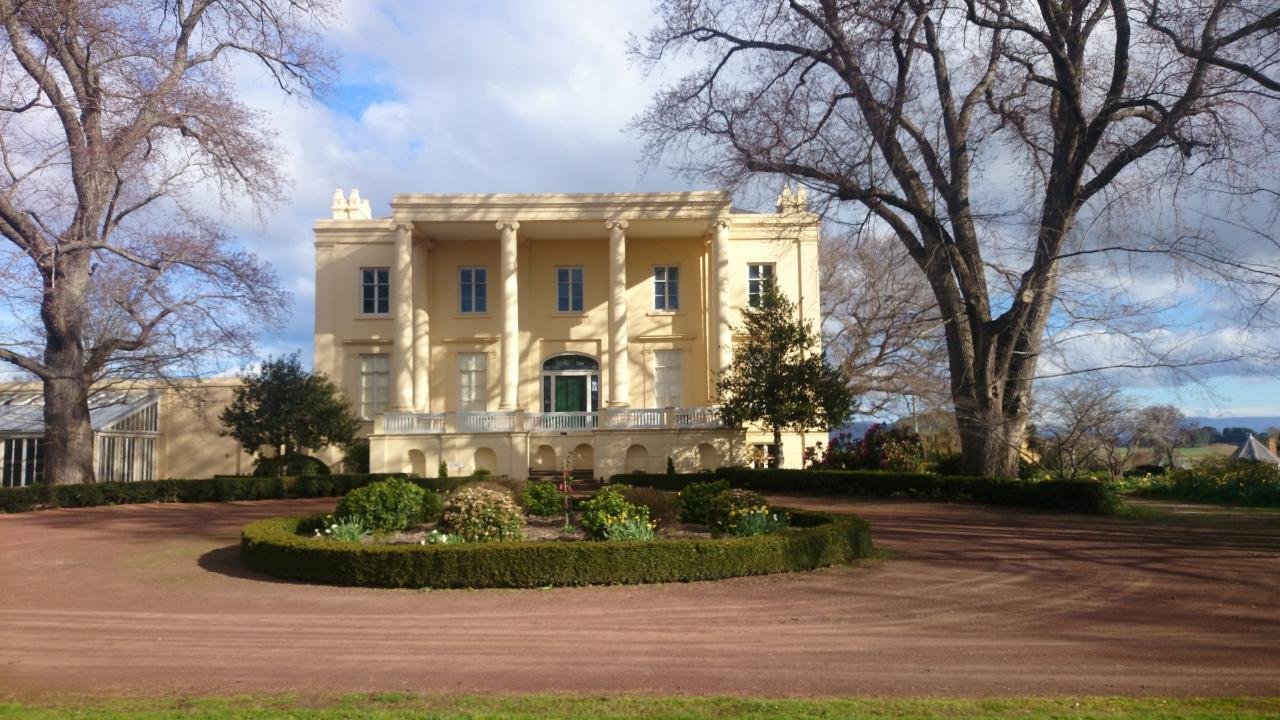
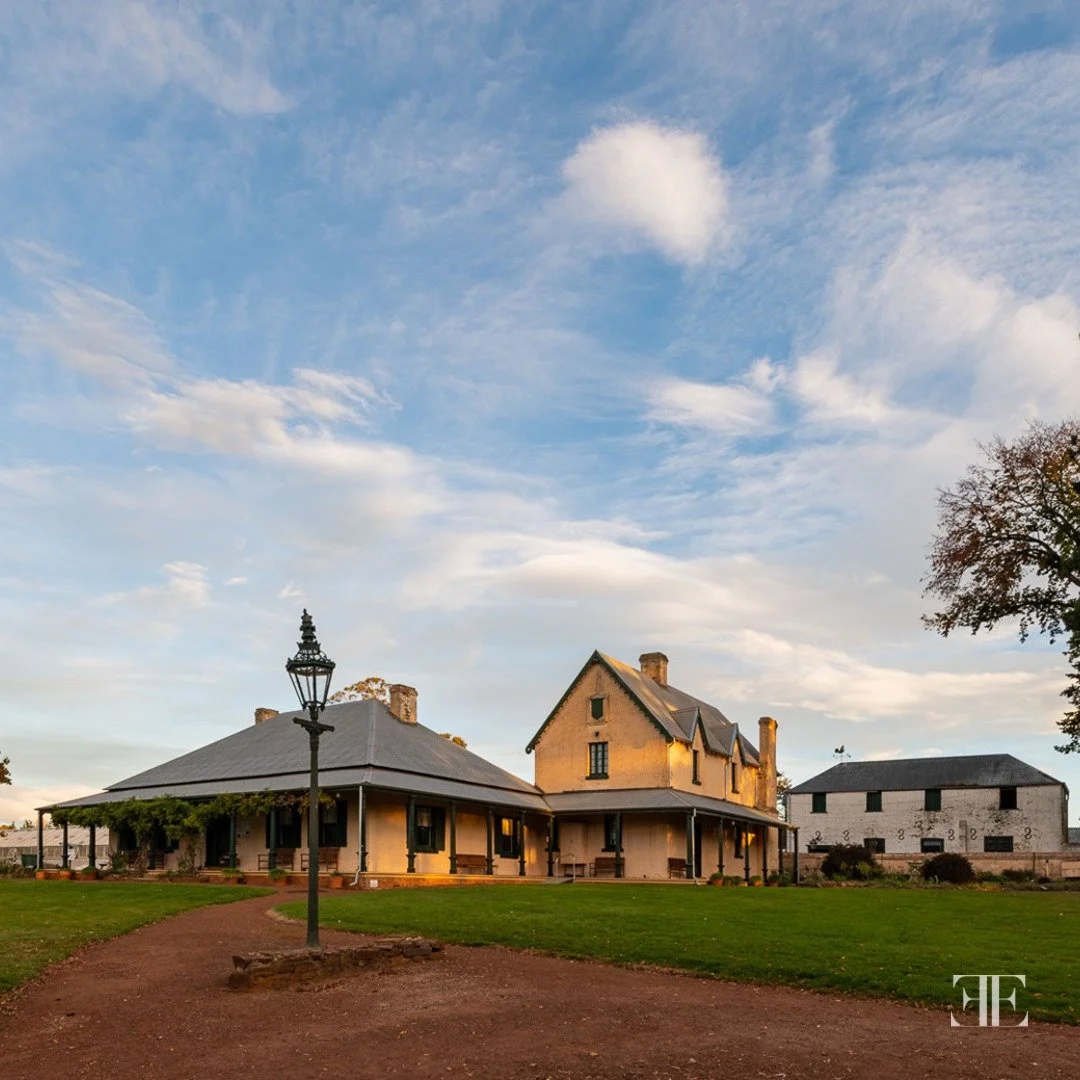
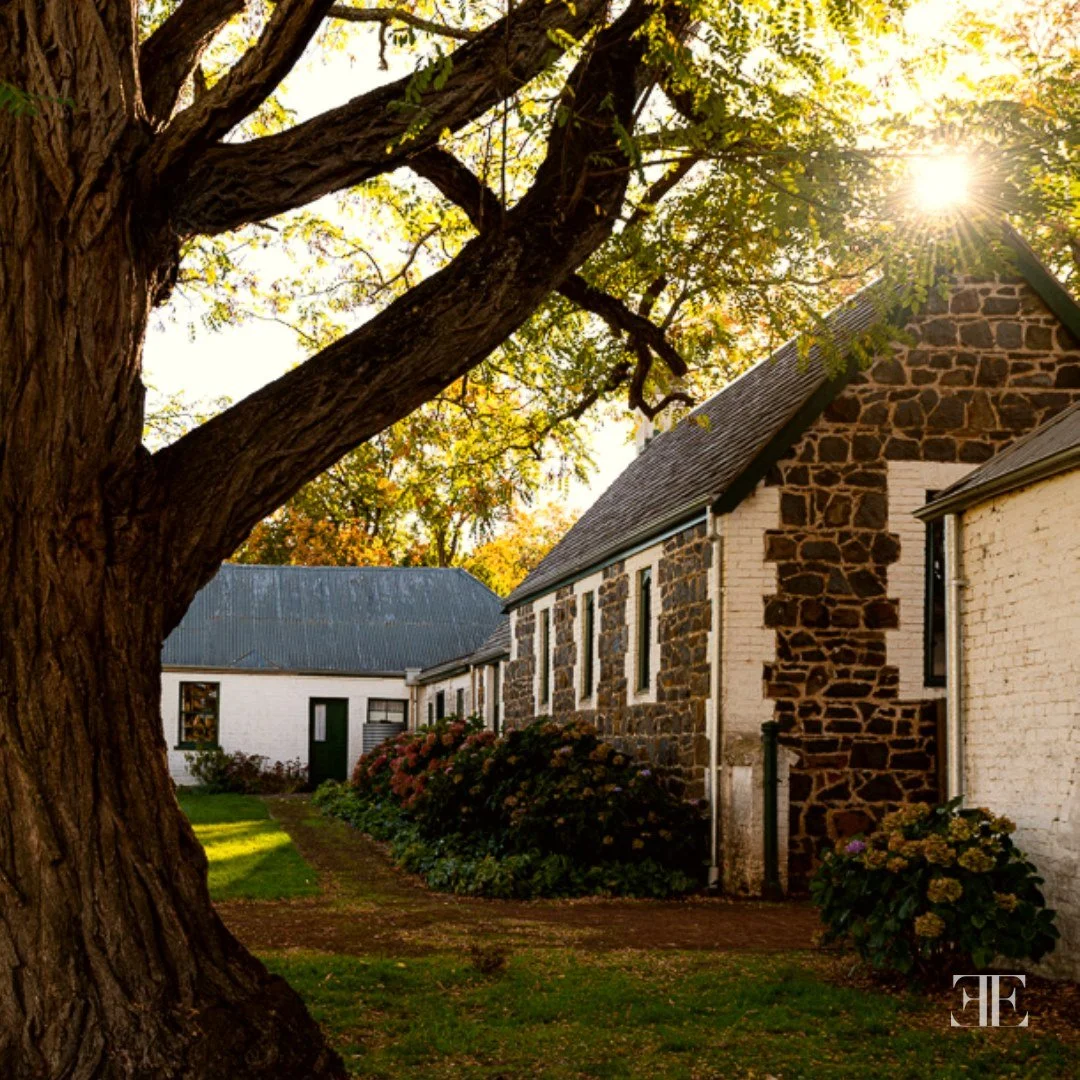
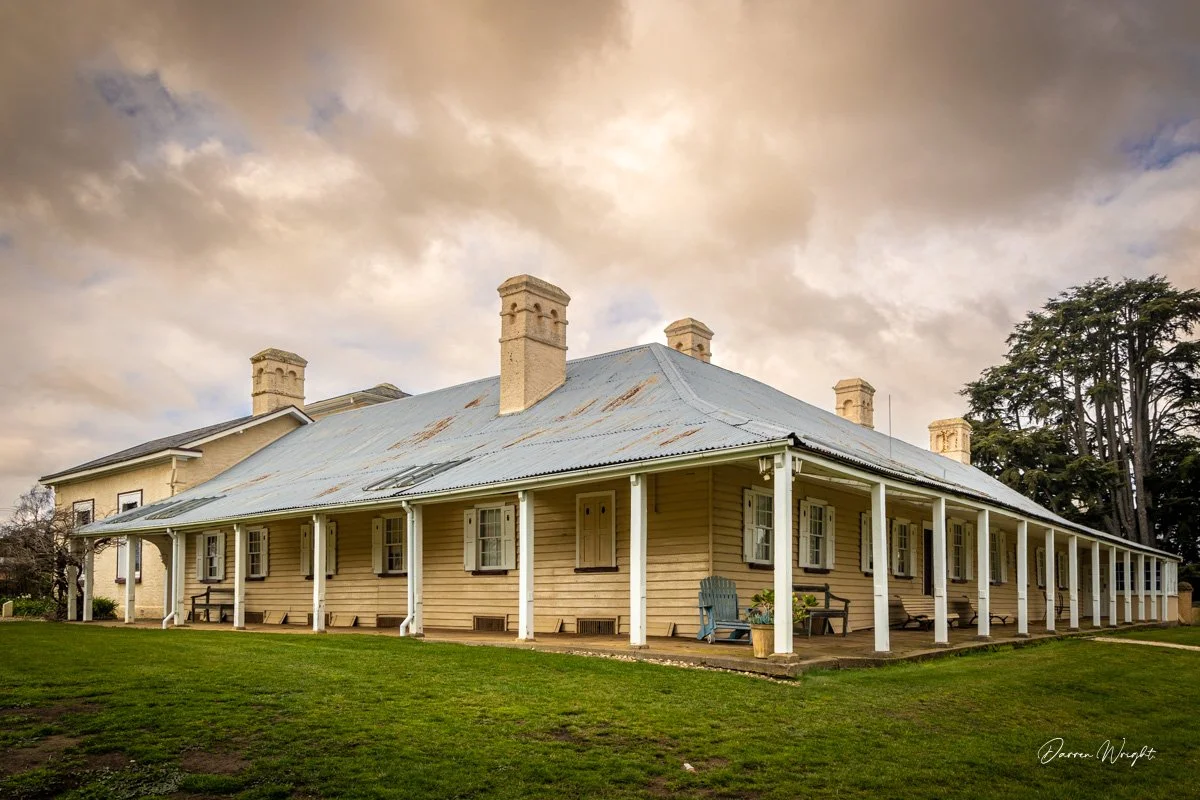
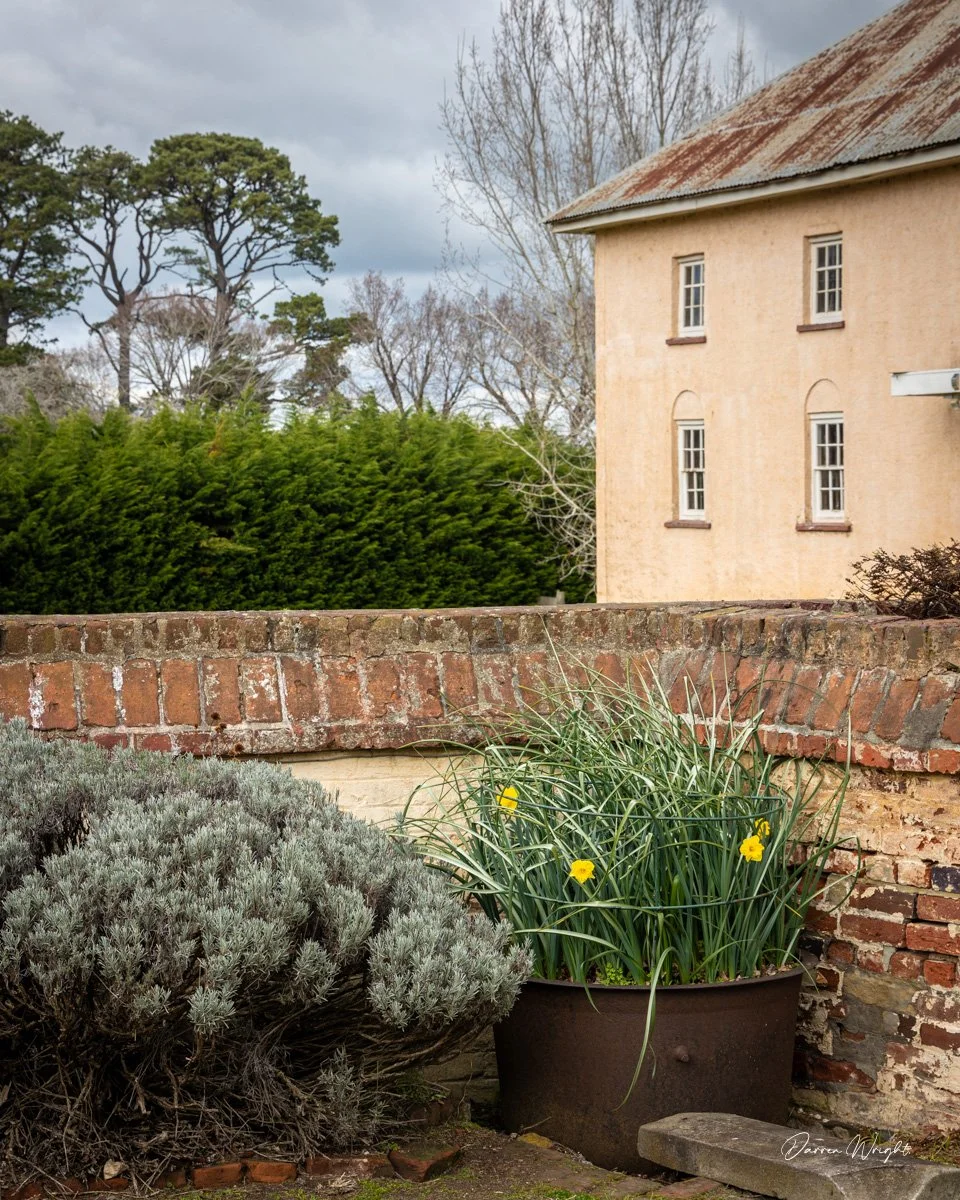
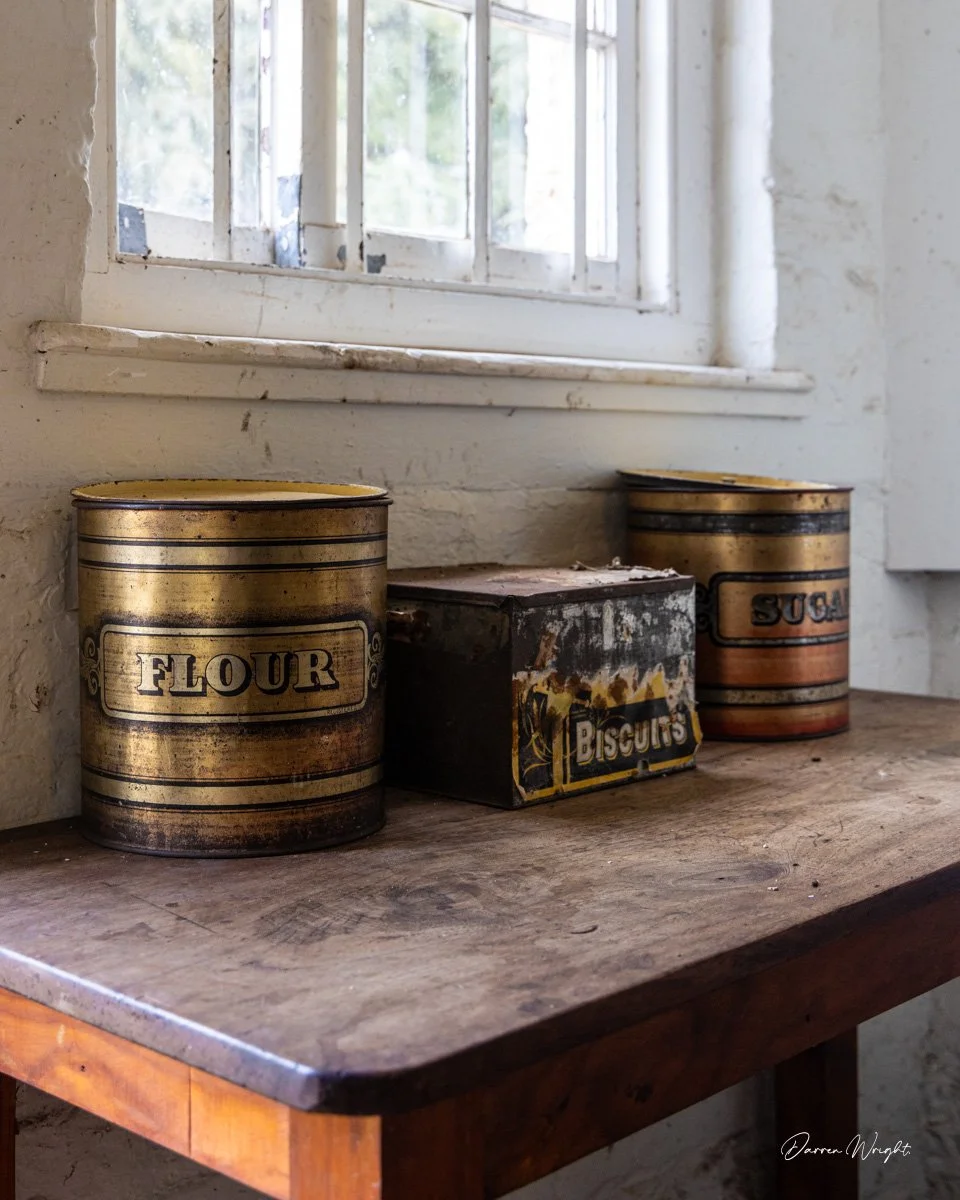
About one third of heritage properties on the Australian national heritage register are in the small Island of Tasmania, with some beautiful examples in Northern Tasmania. Many of these estates are open to the public and a short drive south of Launceston.
Clifford Craig who resided at Beulah House for 50 years was intimately involved in the government purchasing Entally House in 1947 as a National House. In 1960 his wife Edith, with Richard Green, founded the National Trust in Tasmania, to allow the purchase of Franklin House. Craig was foremost in raising community awareness to the value and beauty of Tasmania’s early colonial buildings, and was chairman of the Trust, 1963-72.
-
-
Evandale is just a few kilometres south of Launceston Airport. The town streets have well-preserved heritage buildings such as the St. Andrews Church, the Uniting Church and the Clarendon Arms Hotel. It is also home to The National Penny Farthing Championship. Evandale's Sunday markets are a draw for tourists and Tasmanians alike.
Deddington - is the home of Glover Country, est 1832, is only 20 minutes from Evandale and is an important historically house, where John Glover (1767 – 1849) lived from 1831 to his death.. The house underwent extension restoration from 2016 including a installation of a stunning natural garden
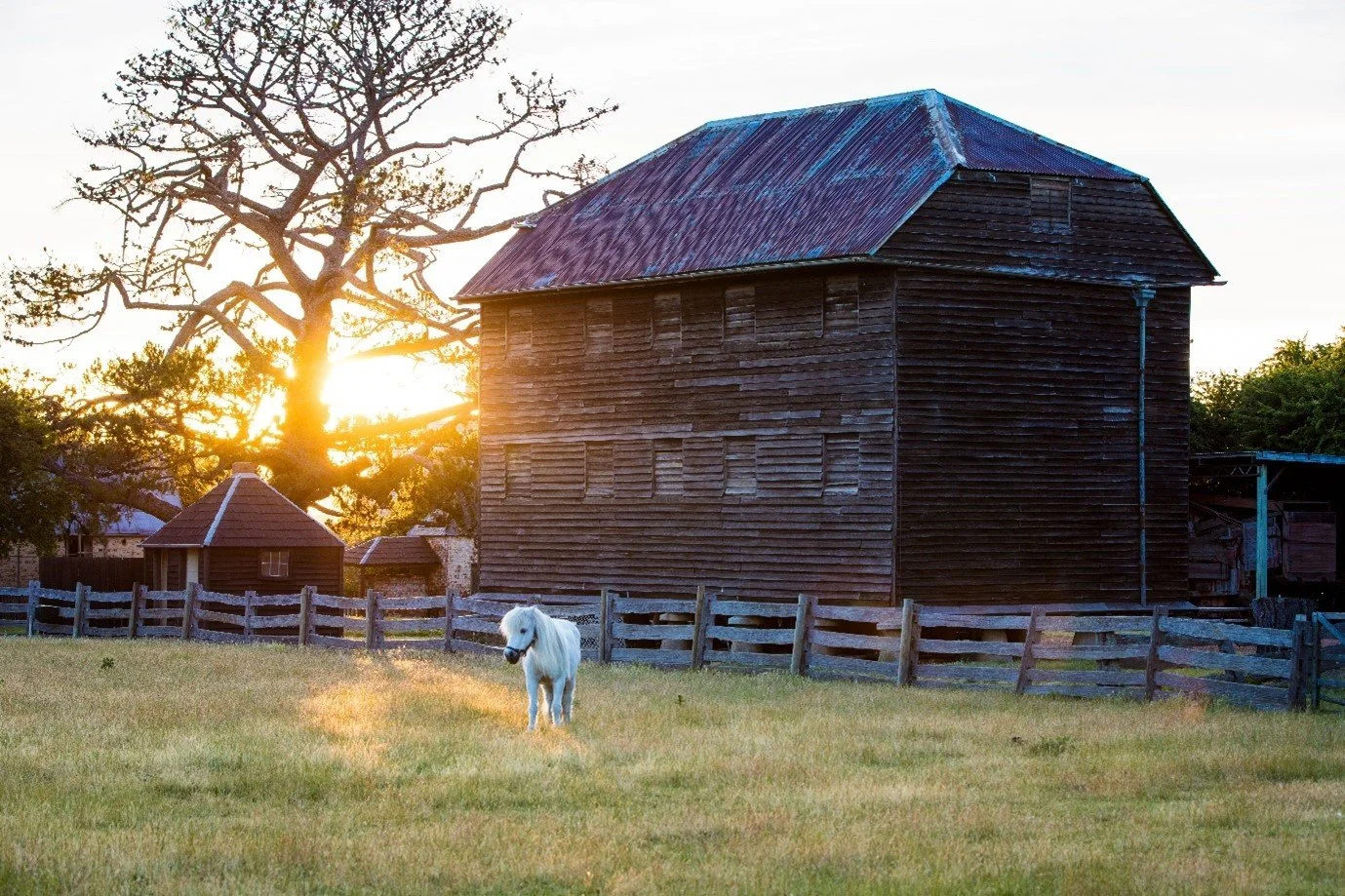
Longford - home to Woolmers Estate and Brickendon Estate. Offers a glimpse back in time to the 19th-century pioneering days, when the early farming families used convict labour to build their farms, as well as tributes to their English heritage. Together, Brickendon and Woolmers make up one of Australia’s UNESCO World Heritage Convict Sites. They are so special to visit, with grand architecture, amazing artefacts, and fascinating stories.
Self-guided - Much of Longford was built by convicts in the early 19th century. The original Georgian architecture has held up well, with historic homes and impressive colonial estates creating a charming atmosphere. Pick up a map from the local Visitor Information Centre (in JJ’s Bakery) and embark upon a self-guided walk
The Church - is one of Australia’s oldest church and burial grounds and was built in 1839 in the Old Colonial Gothic Picturesque style. Woolmers’ William Archer designed the stained glass windows. The churchyard still has the original lychgate. The arboretum was planted in the 1830s by Dr Appleyard, who dreamed of growing every tree in the bible.

Explore North-West Tasmania
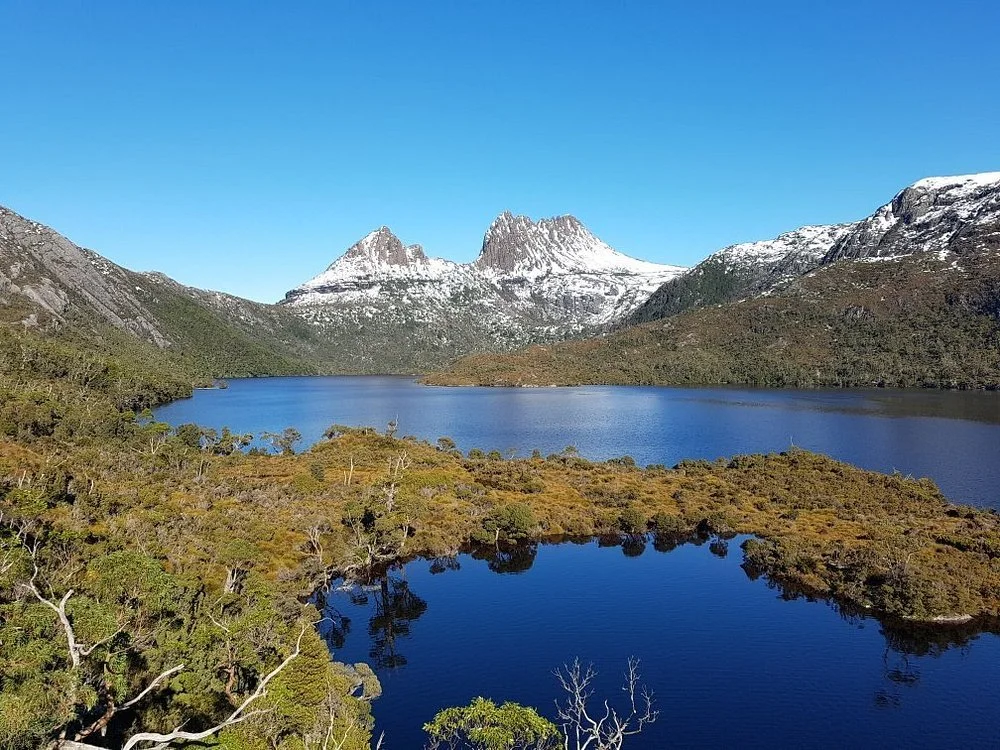
Iconic Cradle Mountain is a place of exceptional natural beauty. From moss-covered ancient rainforests and deep river gorges to snow-covered mountain peaks, wild alpine moorlands and glacial lakes, the park is revered for its diverse and breath-taking landscapes.
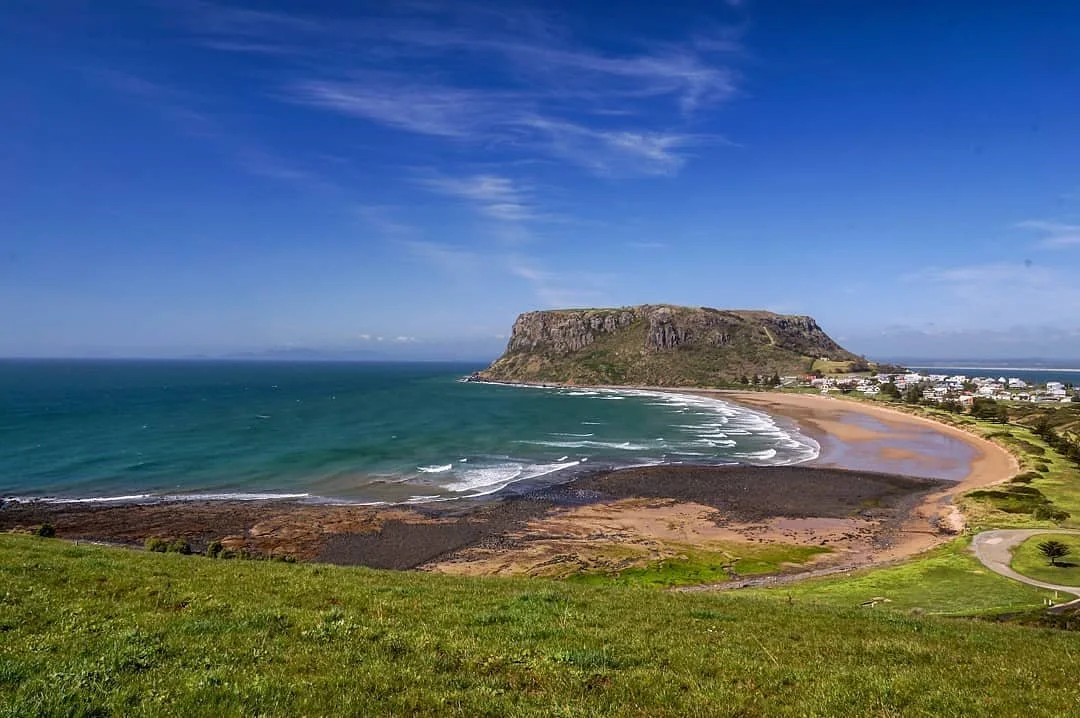
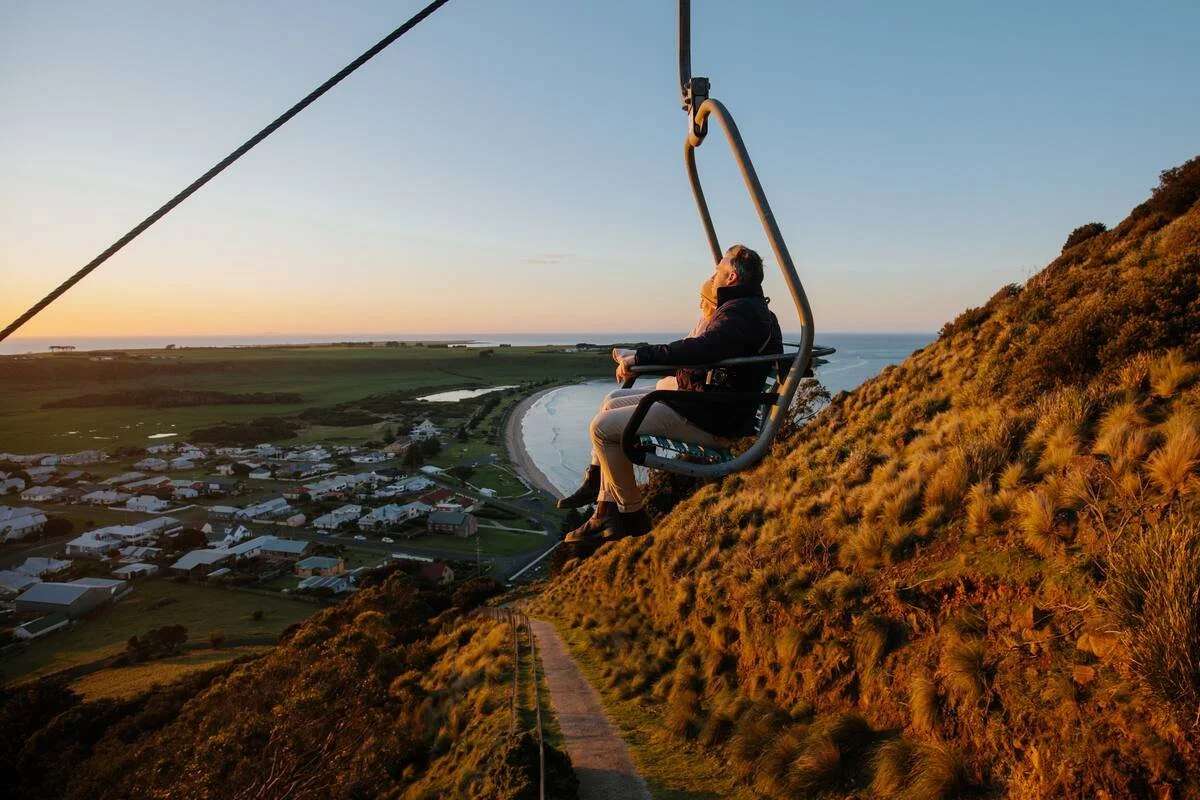
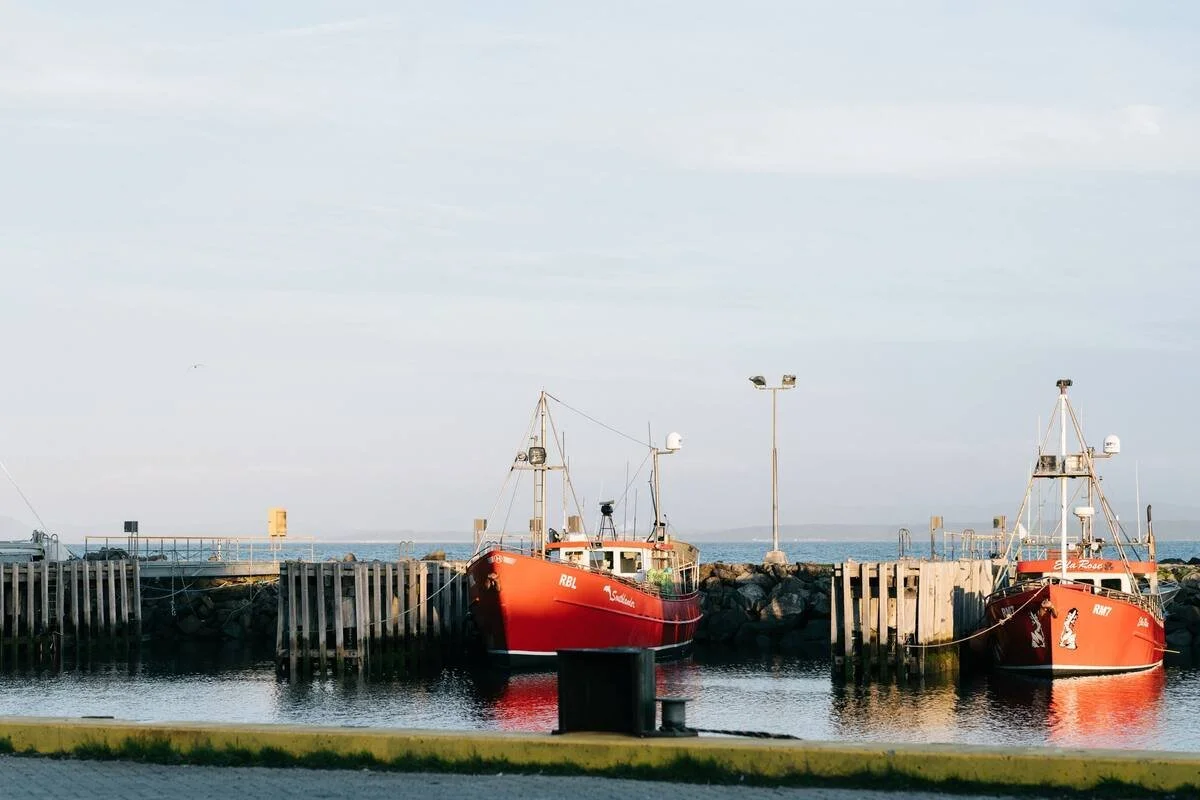
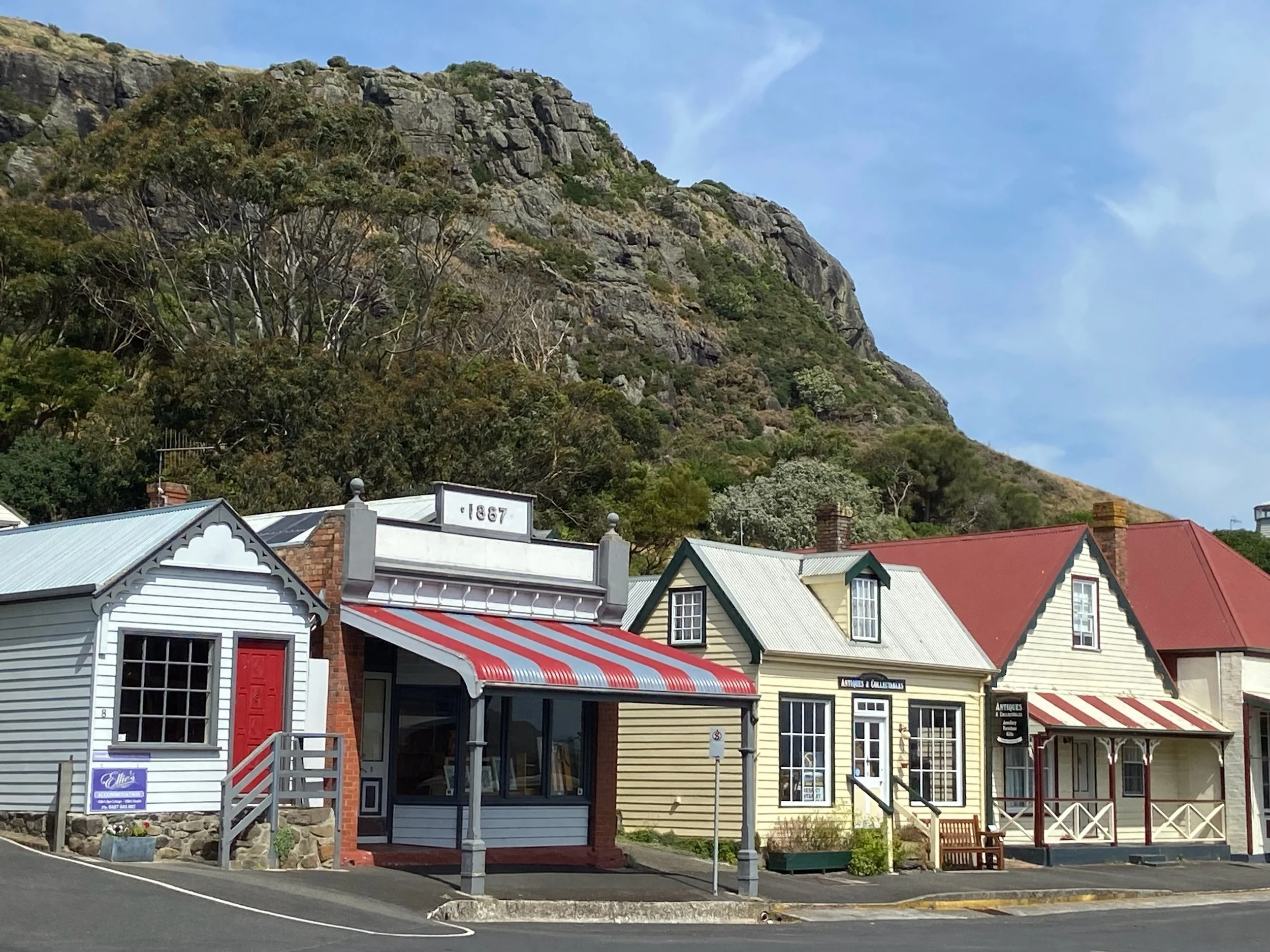
Stanley is also a must do and famous for The Nut - a sheer-sided, flat-topped volcanic plug that towers 143m over the historic fishing town of Stanley on the north-west coast. Climb or take the chair lift to the summit track. Wander the streets of the charming town lined with well-preserved cottages and public buildings is like stepping back in time. At dusk see the penguins at Godfreys Beach.
-
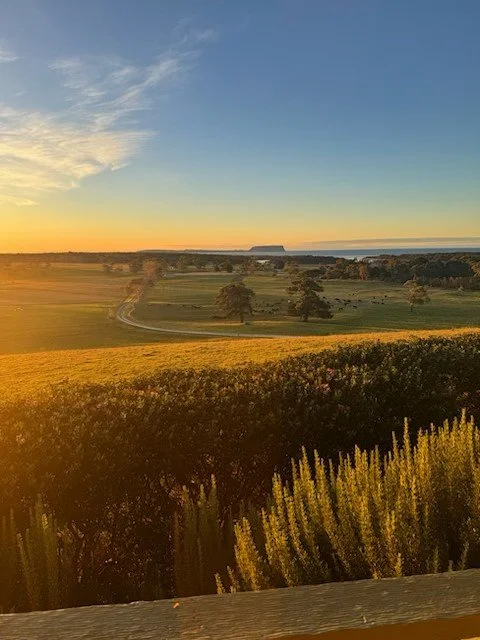
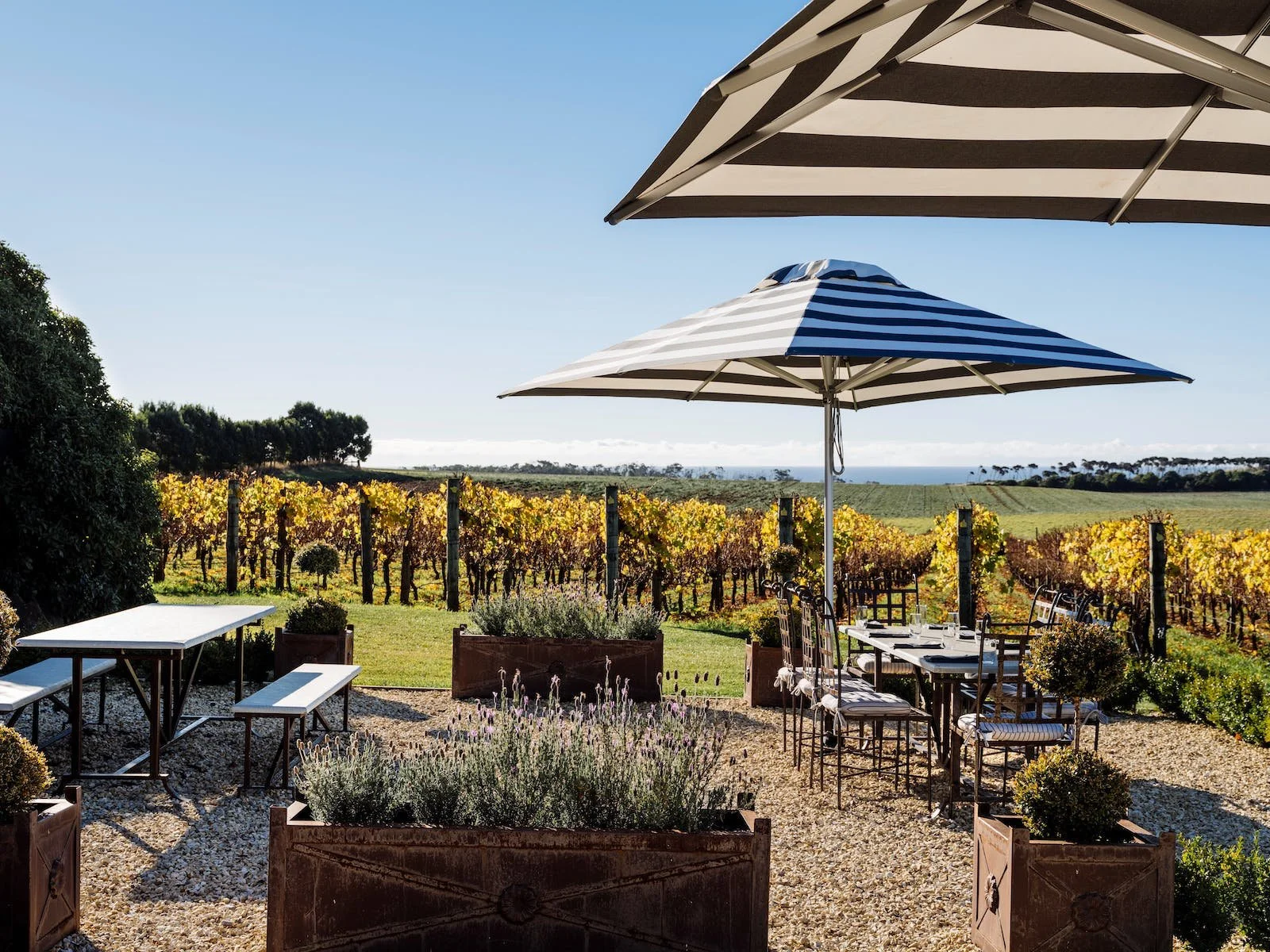
Ghost Rock Winery - Nestled among the rolling patchwork fields in the North West Wine Region. Unique food and wine experiences! Striking views over the vineyards and out to Bass Strait.
Eastford Creek Winery - The vineyard sits atop a rocky outcrop looking across Eastford Creek and out at the prime fertile agricultural land of the North West Coast.
-
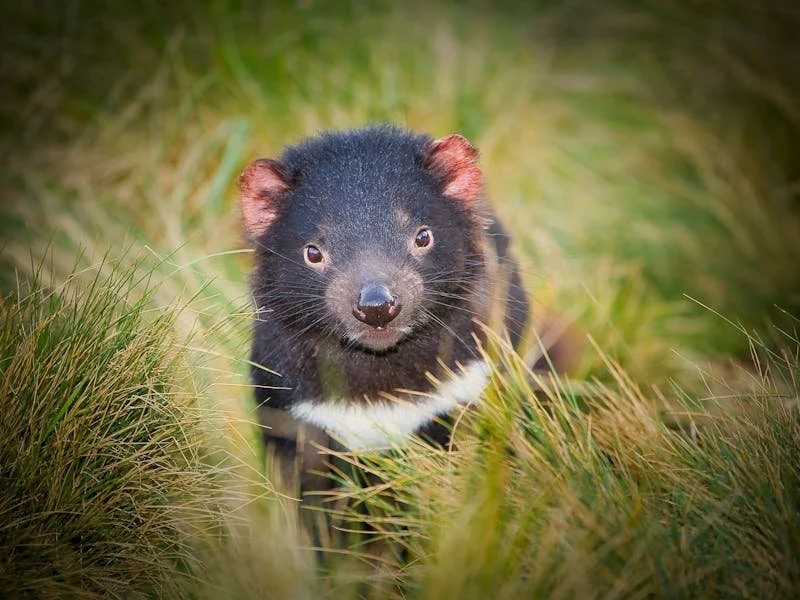
Trowunna Wildlife Sanctuary - located at Mole Creek, Trowunna is recognised as a world leader in Wildlife conservation. Tasmanian devil social feeding is a highlight.
-
Boat Harbour Beach - Beautifully positioned between rocky headlands, this is an idyllic harbour of white sand and water every shade of blue.
